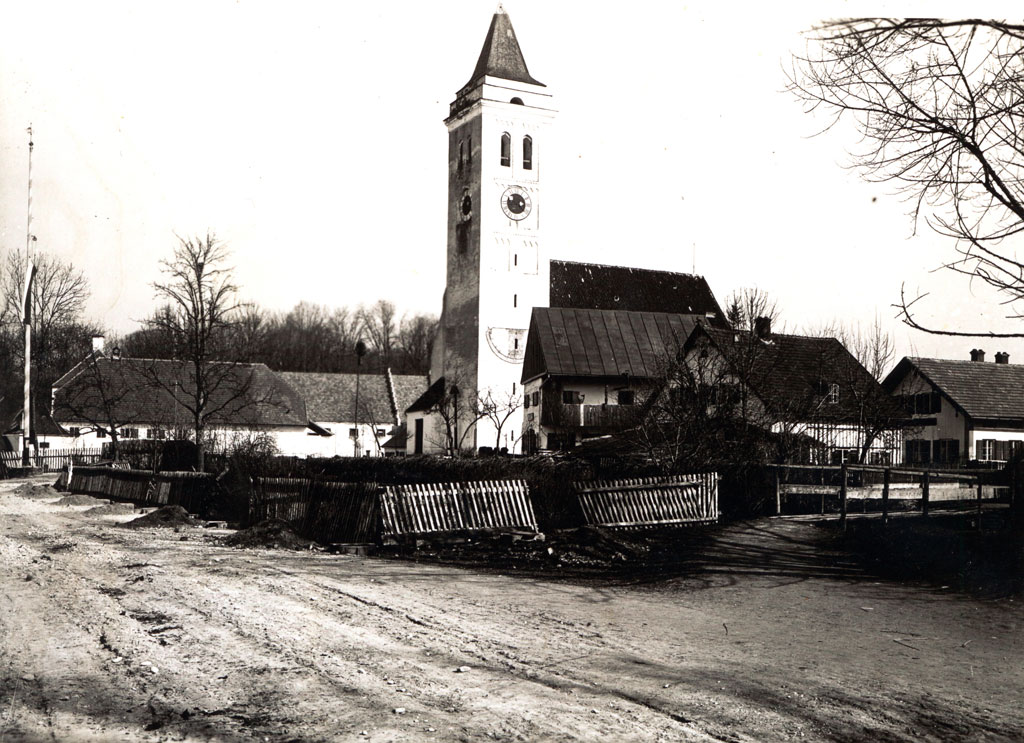
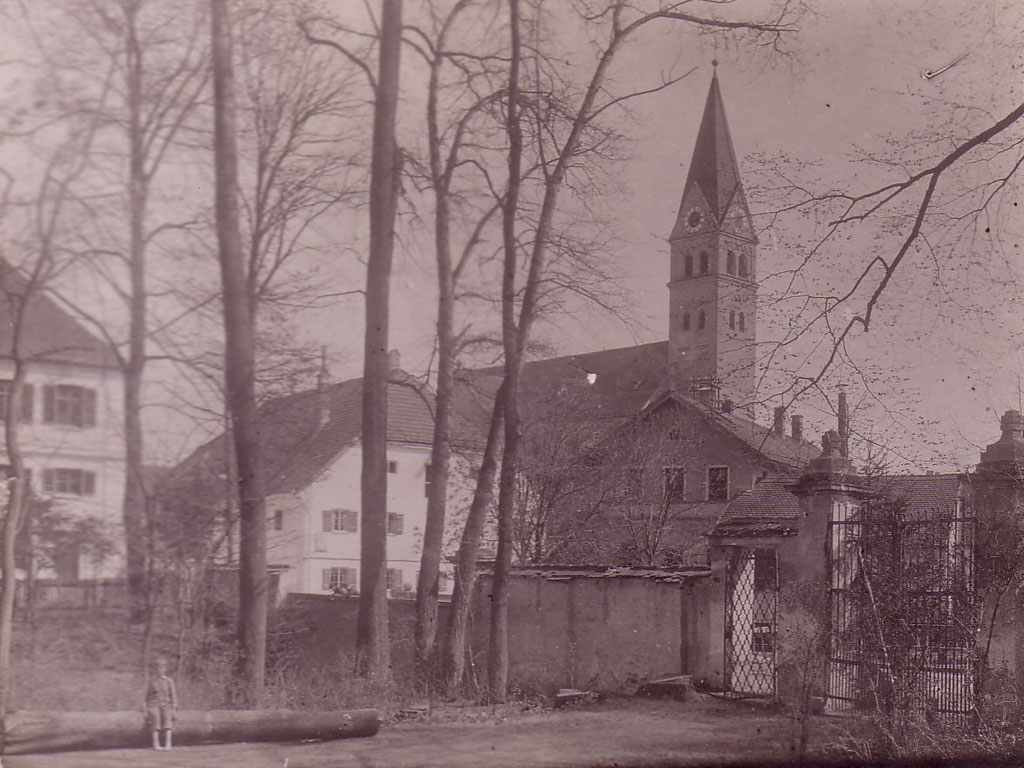
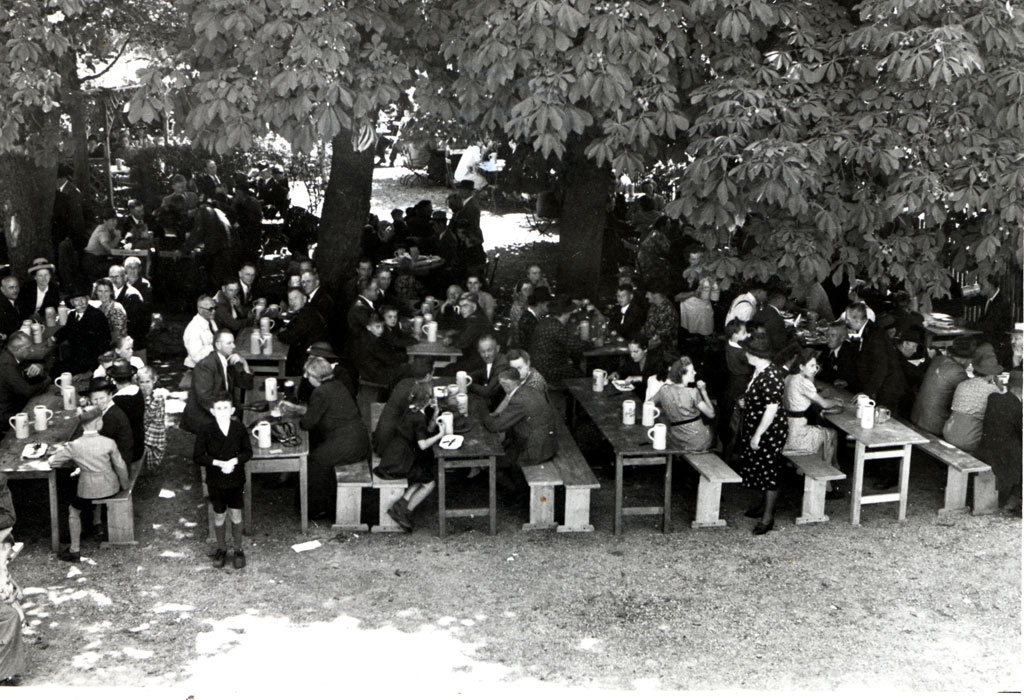
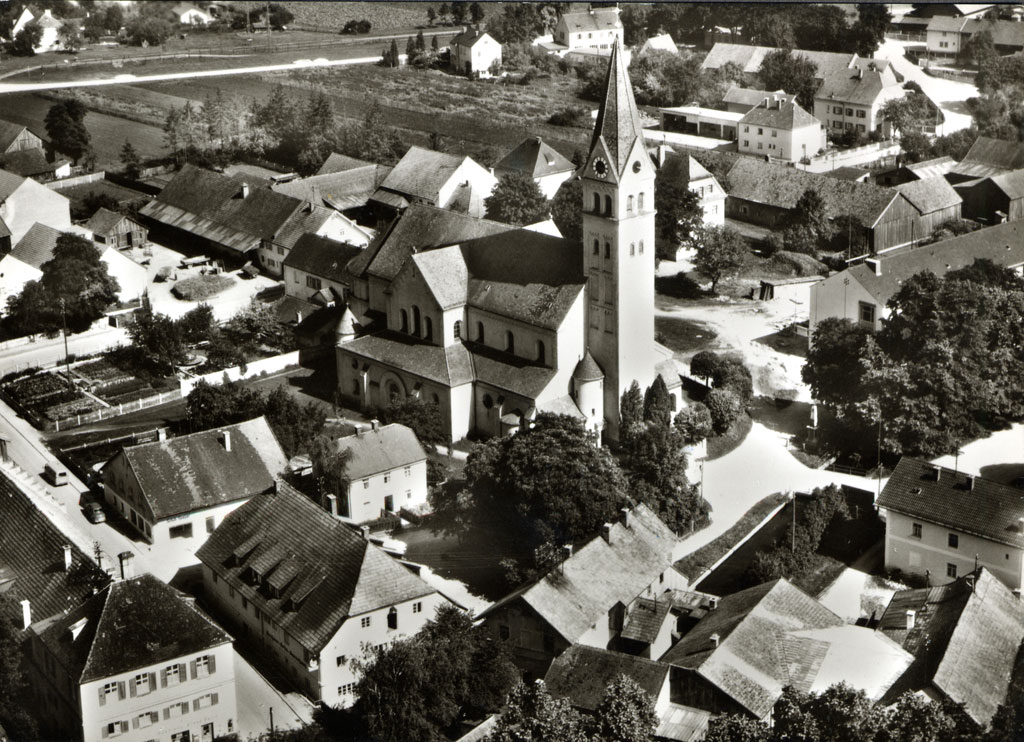
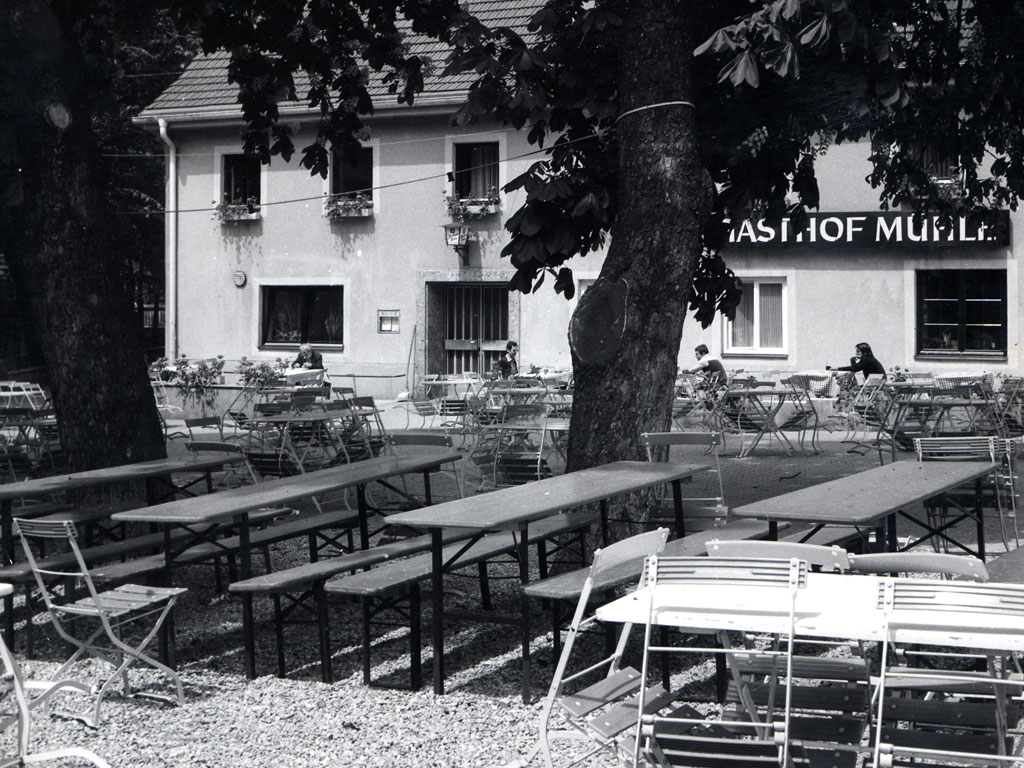
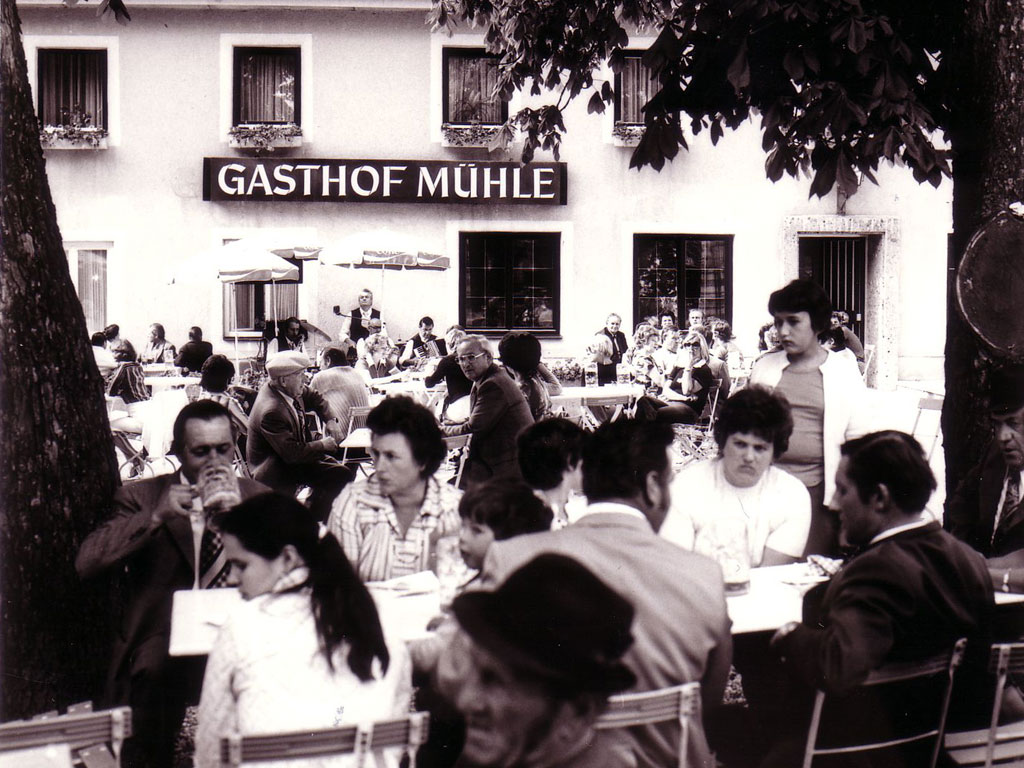
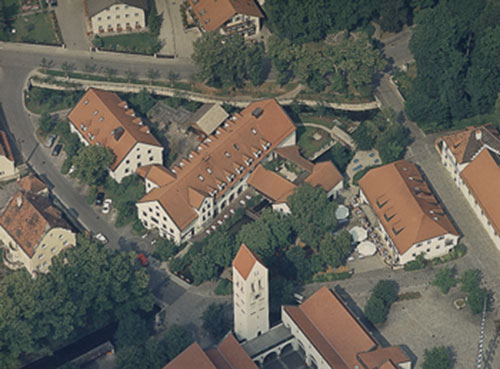
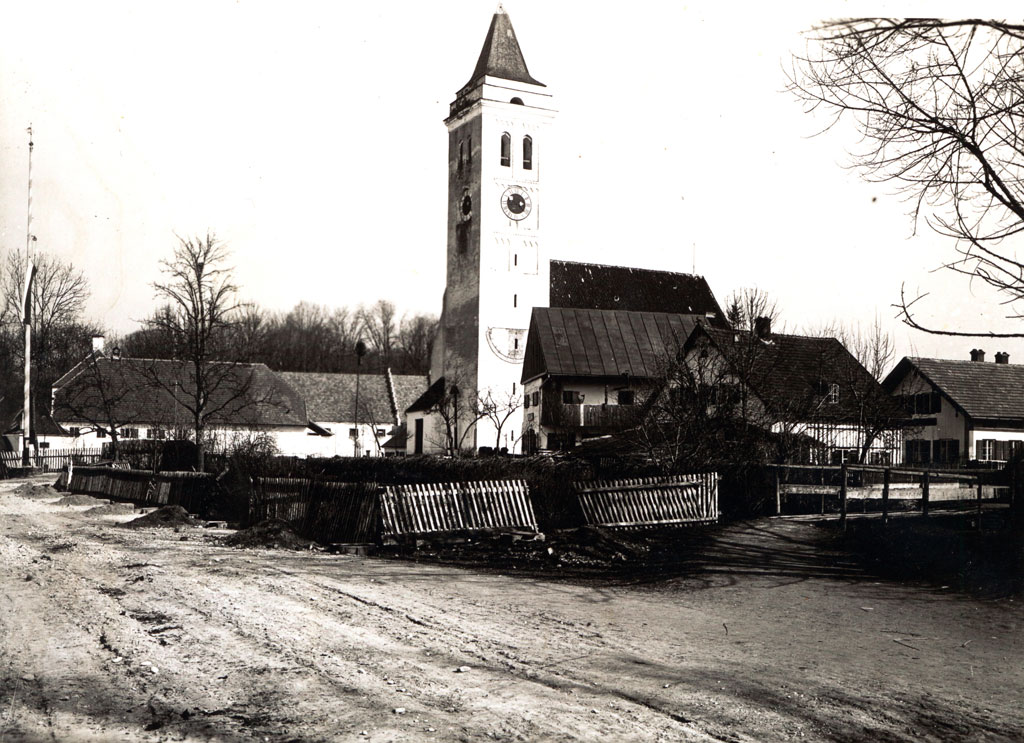
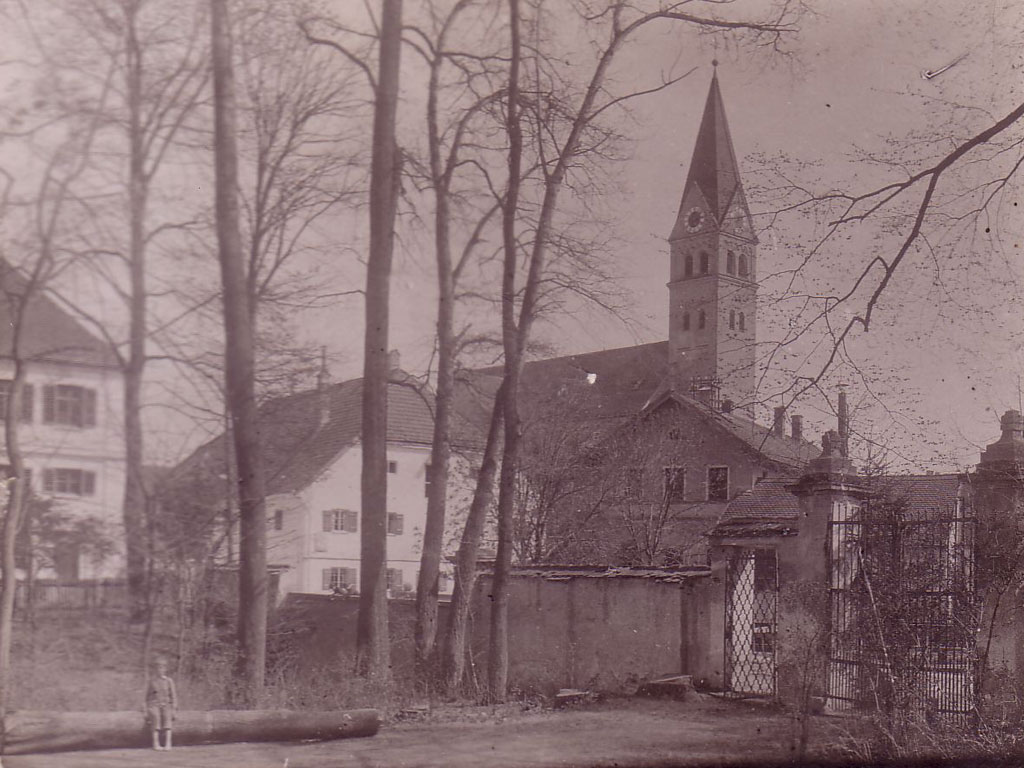
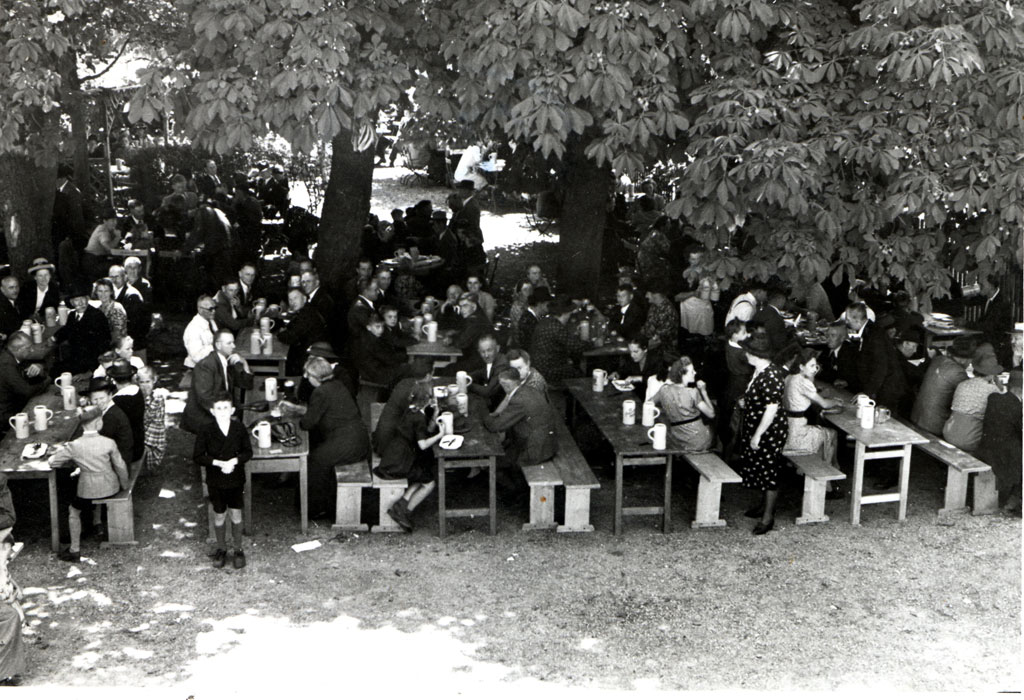
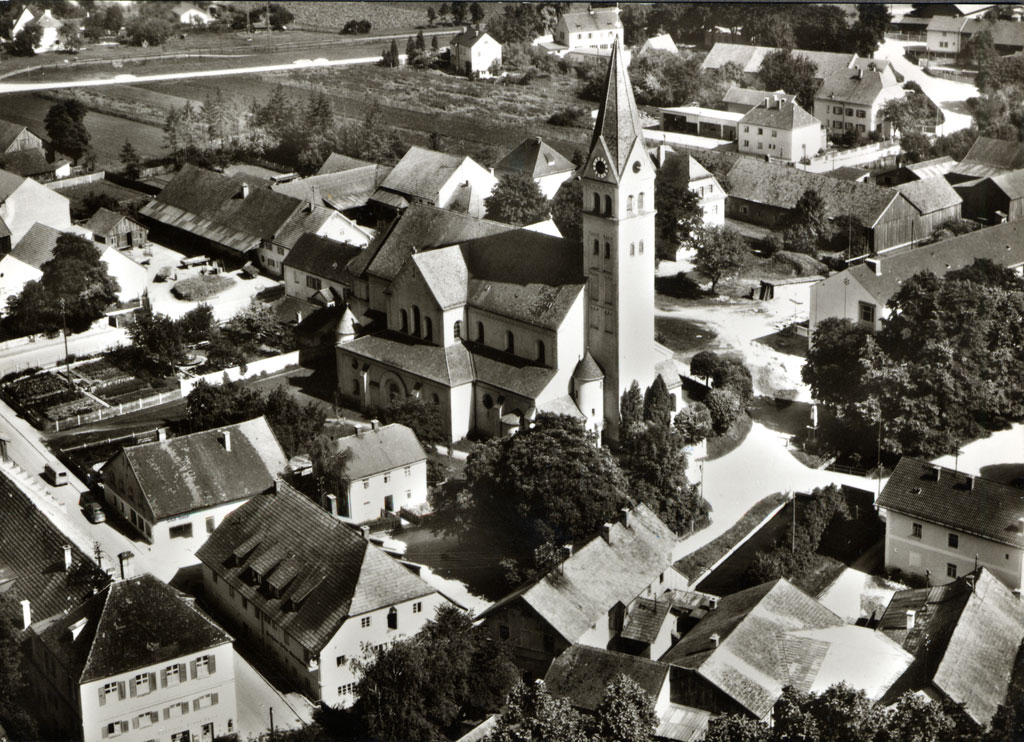
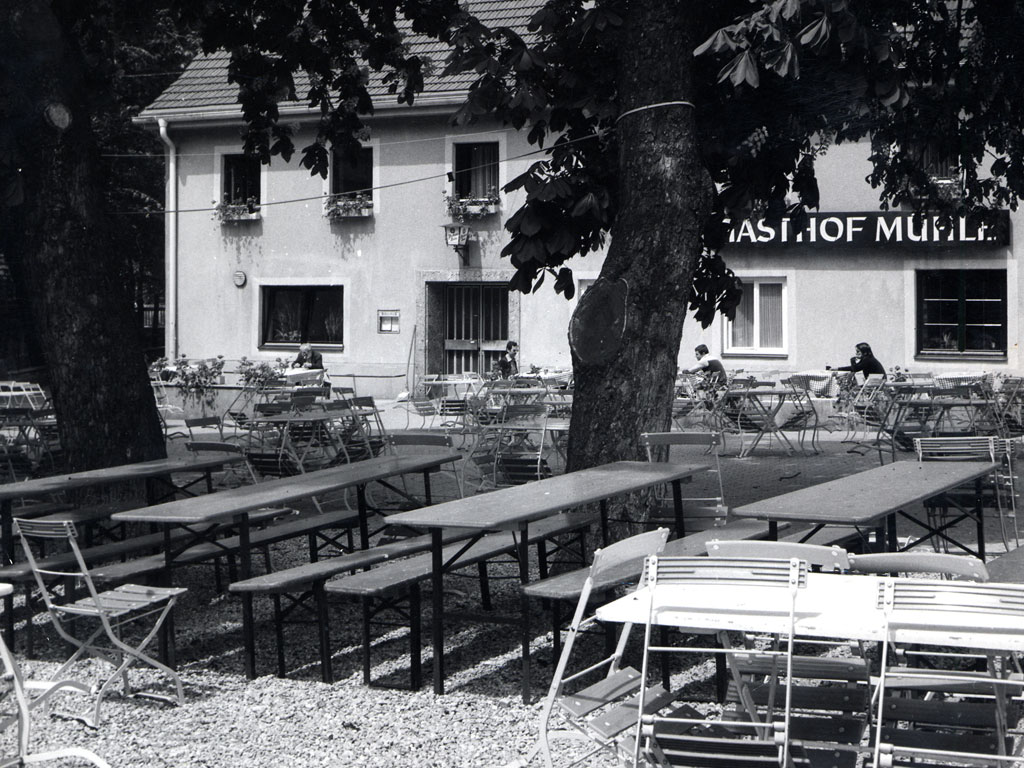
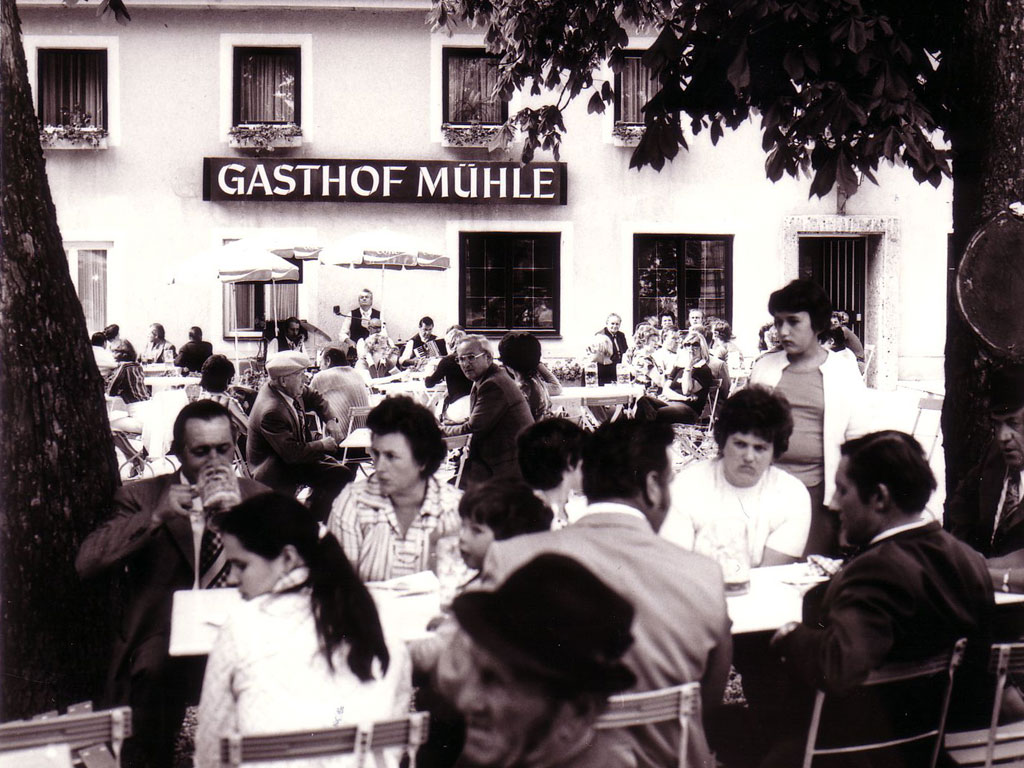
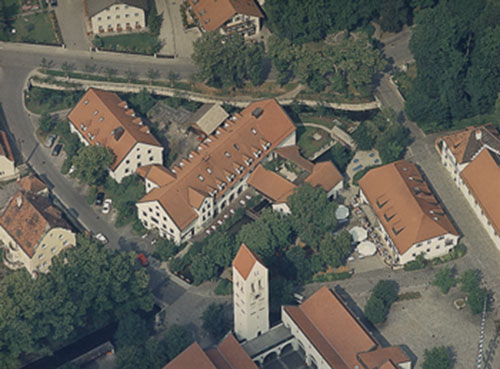
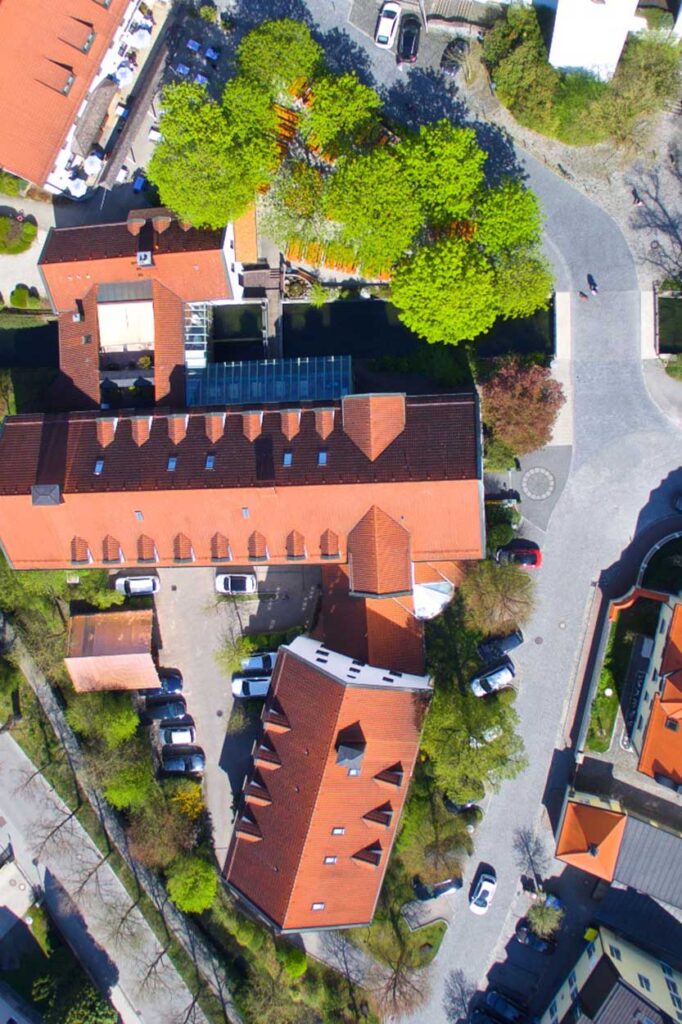
In 2009, Ismaning celebrated its proud 1,200th anniversary. There is documented evidence of a mill in the village dating back at least to the Middle Ages. The first depiction appears on a map from 1716: situated next to the Prince-Bishop’s palace—on the site of the present-day hotel—two wooden wheels powered a flour mill and a sawmill. The stream was a vital resource for rural life, serving not only as a source of power but also providing water for drinking and washing (for both people and livestock), cooking, irrigation, cooling, fishing, and children’s play.
The Seidl family history can be traced back to the 18th century and is rooted in a deep connection to the land: the Seidls were originally farmers in the *Oberland* region. Around 1800, young Bartholomäus Seidl—the second-youngest of seventeen children from the “Obermayr” farm in Großhartpenning near Holzkirchen—set out with his wife, Walburga, to seek his fortune in the east of Munich. He found great success selling bricks, which were in high demand in the rapidly growing royal capital.
However, his son Johann Seidl chose not to continue the secure brick business, preferring instead to take on new challenges. His first venture—an inn in Dietersheim, located on the then-important road between Munich and Freising—was an immediate success. Using the proceeds, Johann Seidl purchased the Baroque Erching estate (formerly owned by the Prince-Bishop of Freising) at auction, only to sell it profitably sixteen years later. Finally, he settled in Ismaning with his family and bought the Mühlhauser estate, a farmstead featuring both a sawmill and a grain mill (now the Seidlmühle cultural center). “Where there is water, something is always turning”—that was his motto…
In the next generation, the son—another Johann—continued to run the estate with his wife, Therese. They eventually handed the farm over to their eldest son, Johann; meanwhile, the father purchased the “Jungmüller” mill—complete with an inn and a small farm—in the heart of Ismaning for his second son, Anton.
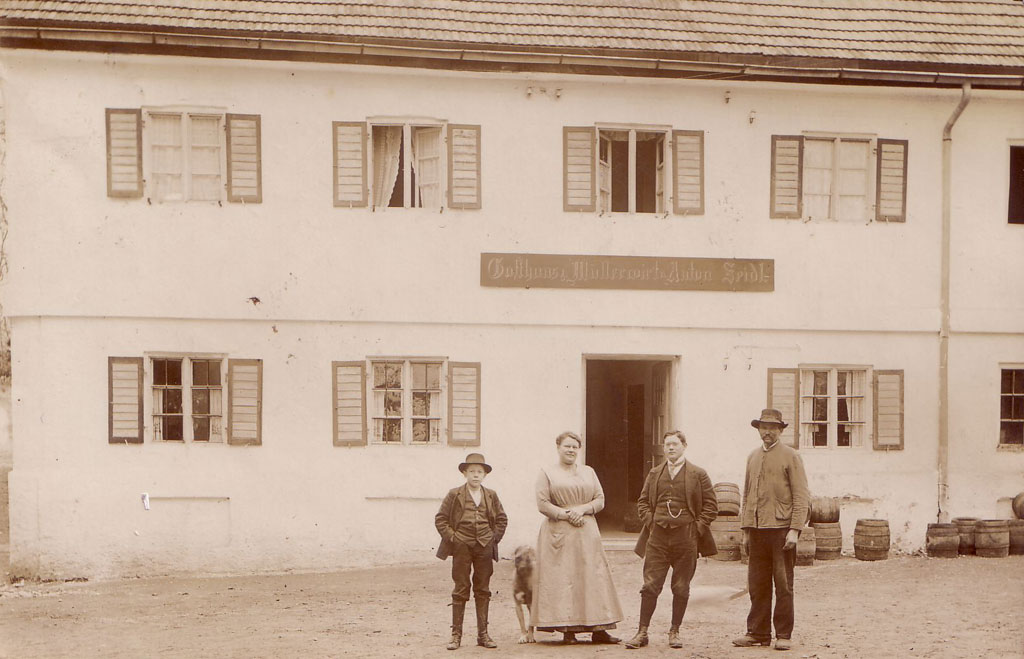
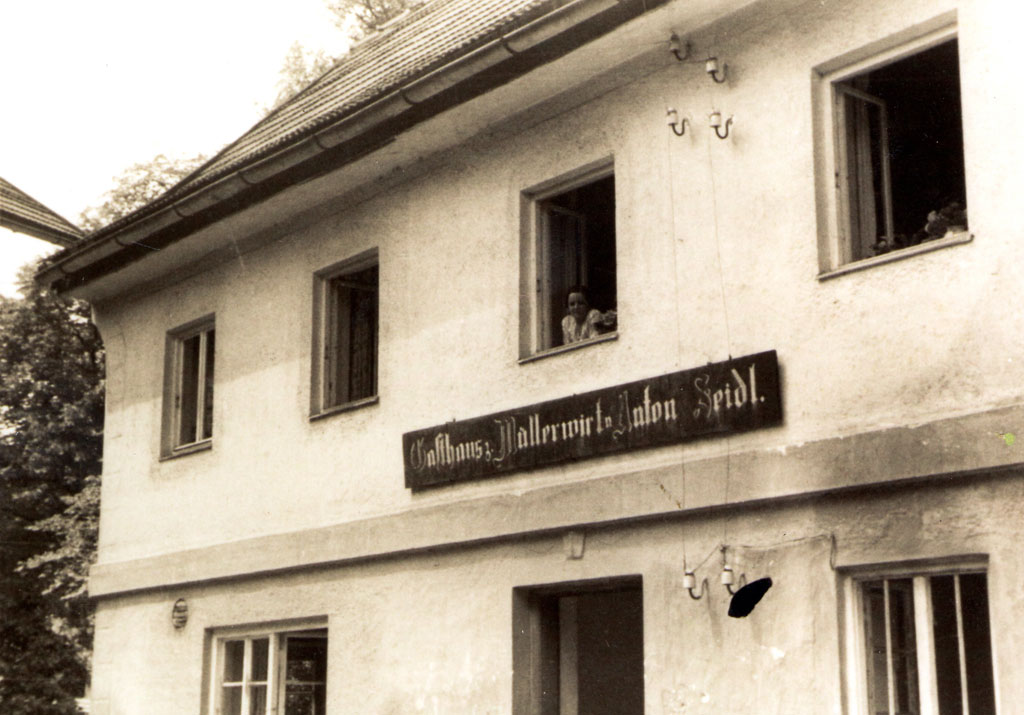
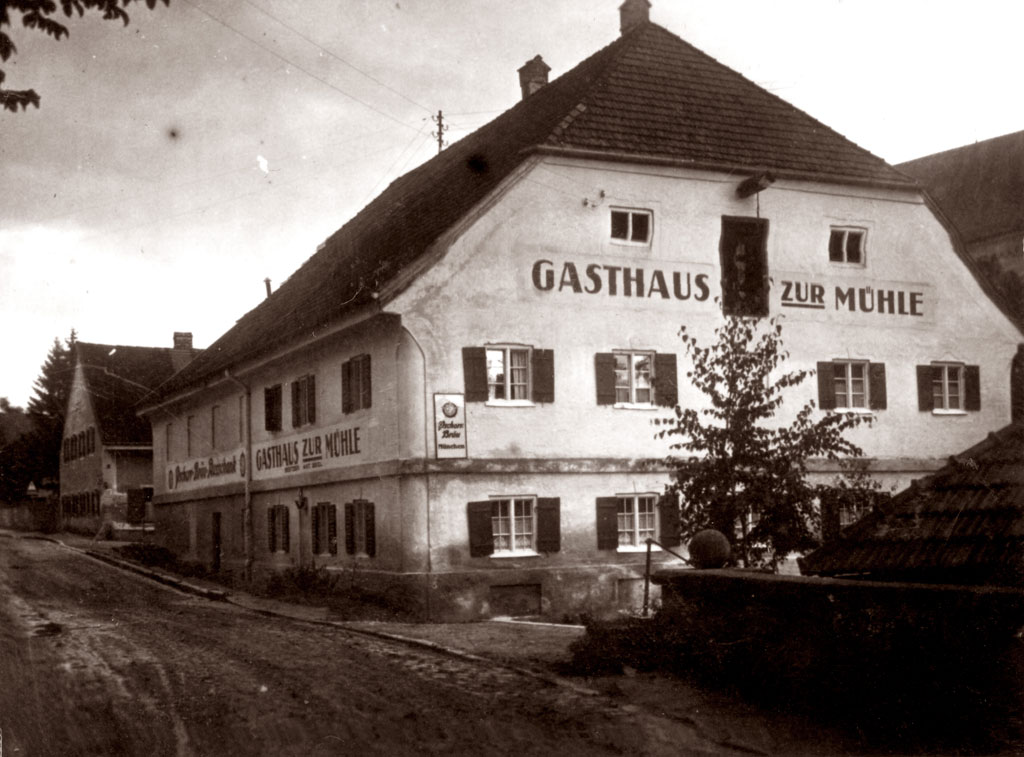
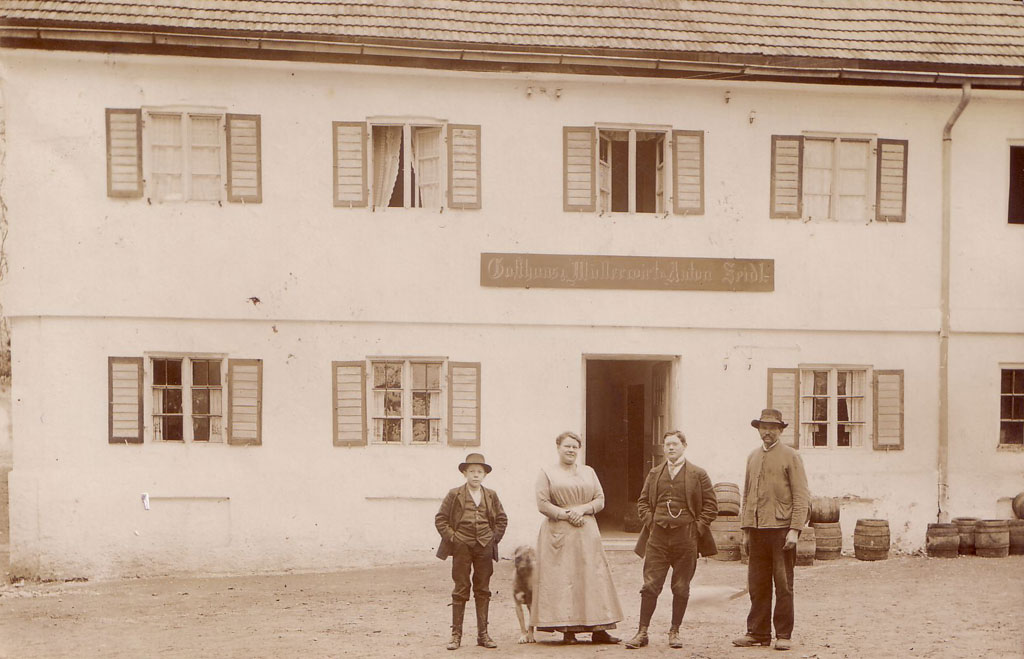
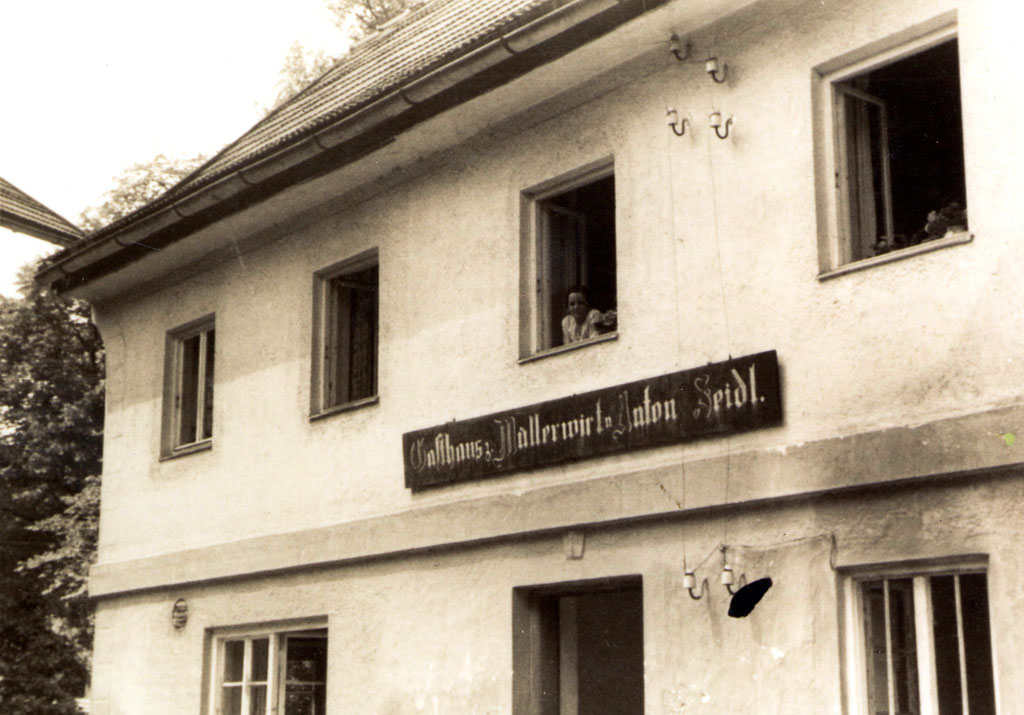
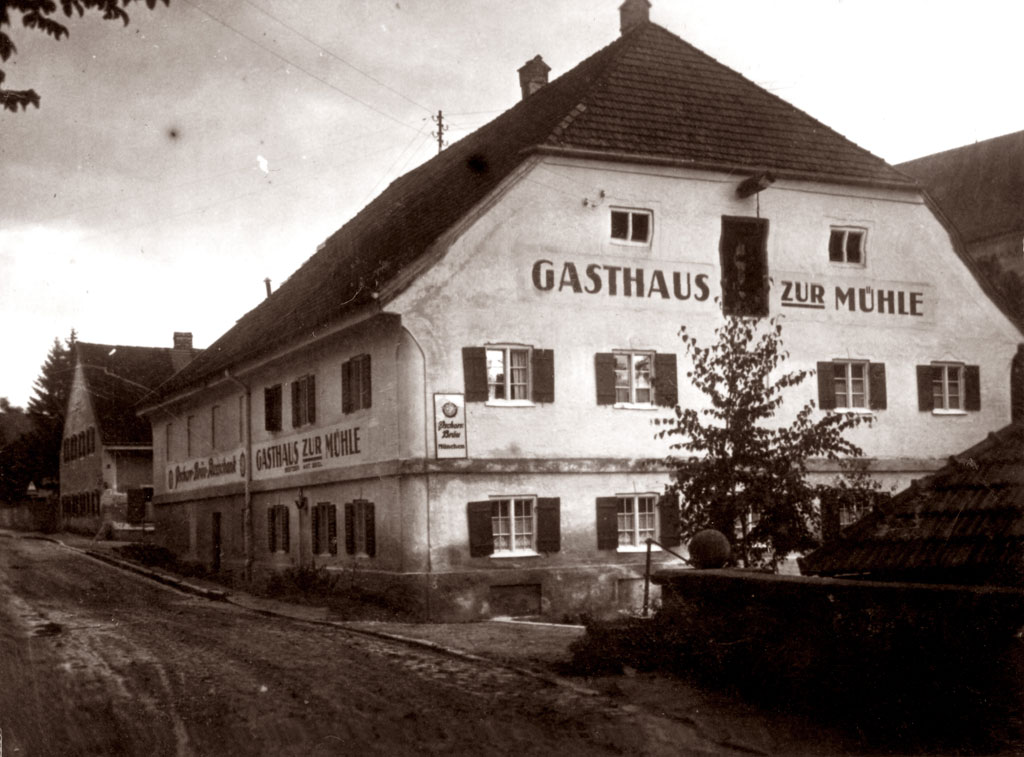
In 1894, this Anton Seidl and his wife, Katharina, reopened the inn; he built a power plant on the site of the mill (which had burned down) and modernized the hospitality business.
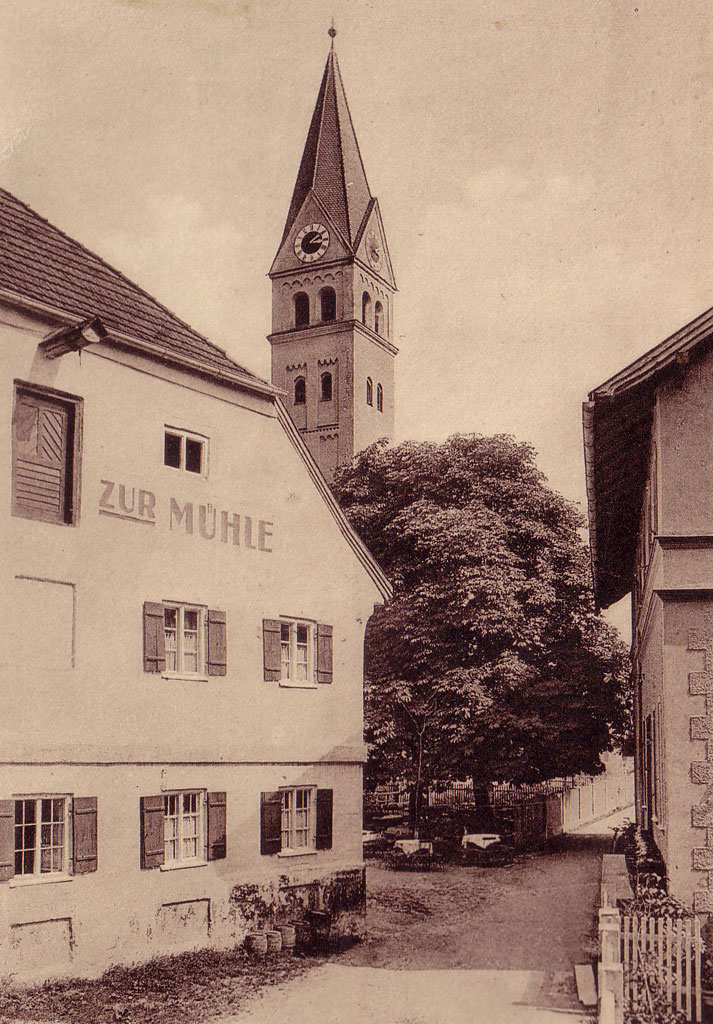
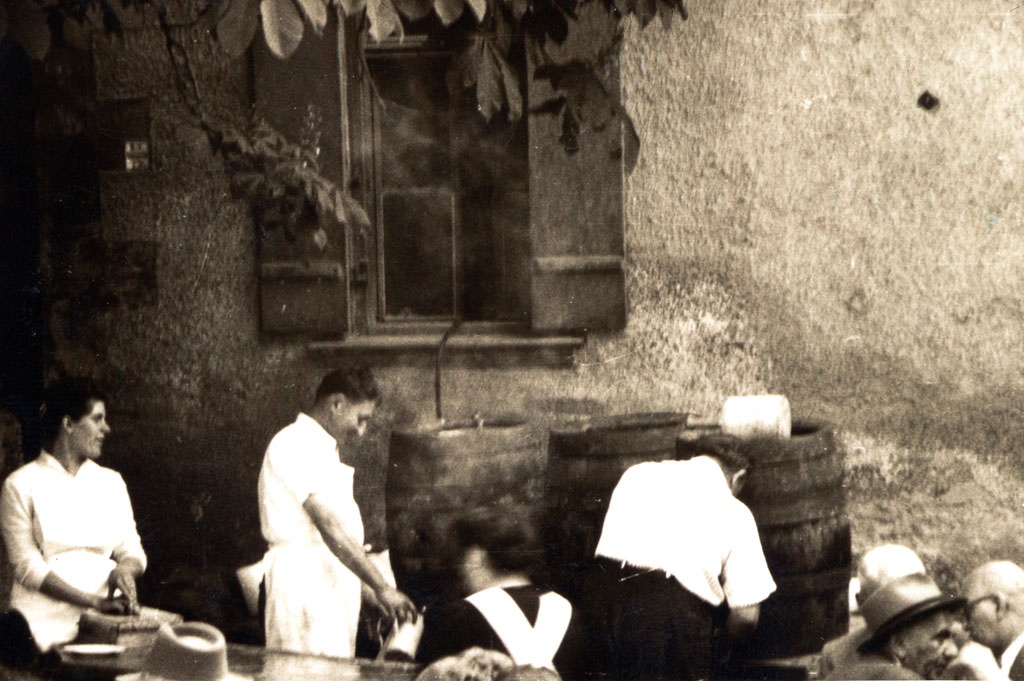
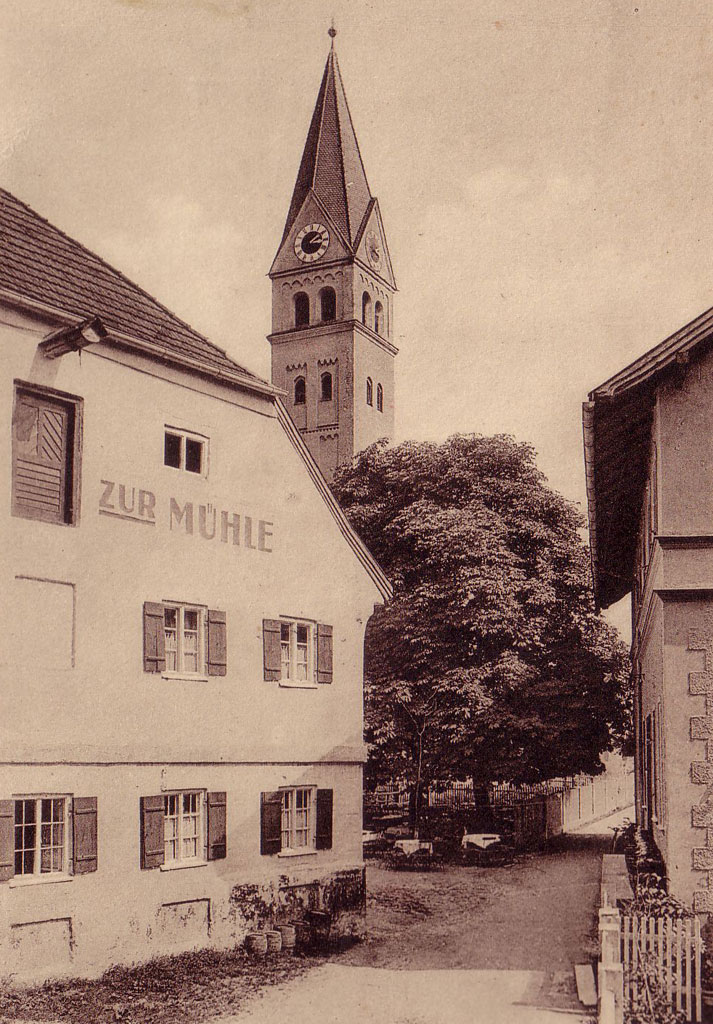
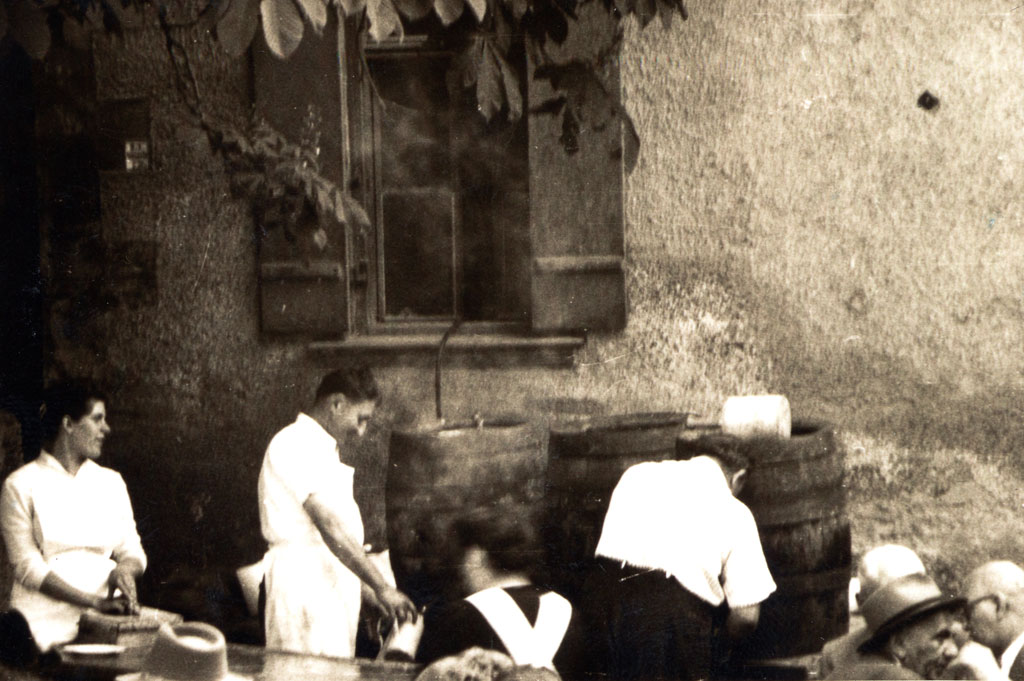
The next Anton—his son—took over in 1940. After the war, he gave up farming and expanded the establishment into a substantial inn with guest rooms. From 1969 onwards, his son—the third Anton—ran the family business together with his wife, Rosa. In 1982, he built the “Hotel zu Mühle” on the other side of the Seebach stream; it soon began attracting guests from all over the world. He also renovated the inn and expanded the beer garden.
Since 2002, the next generation—the fourth Anton and his wife, Sandra—has been at the helm. Their two children, Anton and Maria, are already poised to take over.