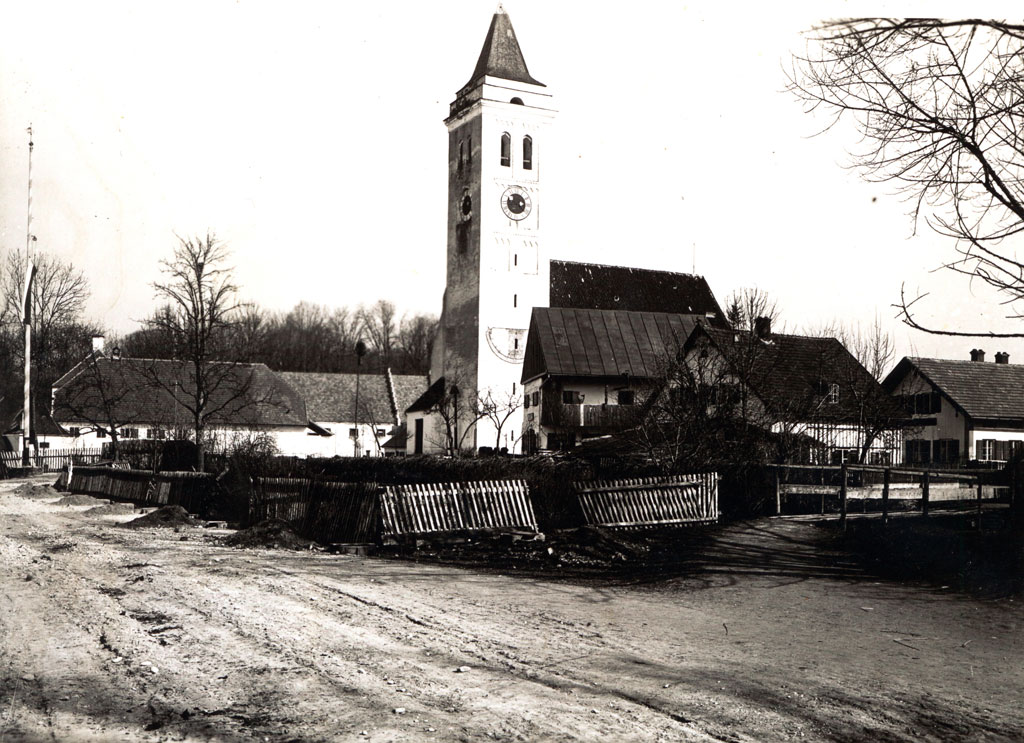
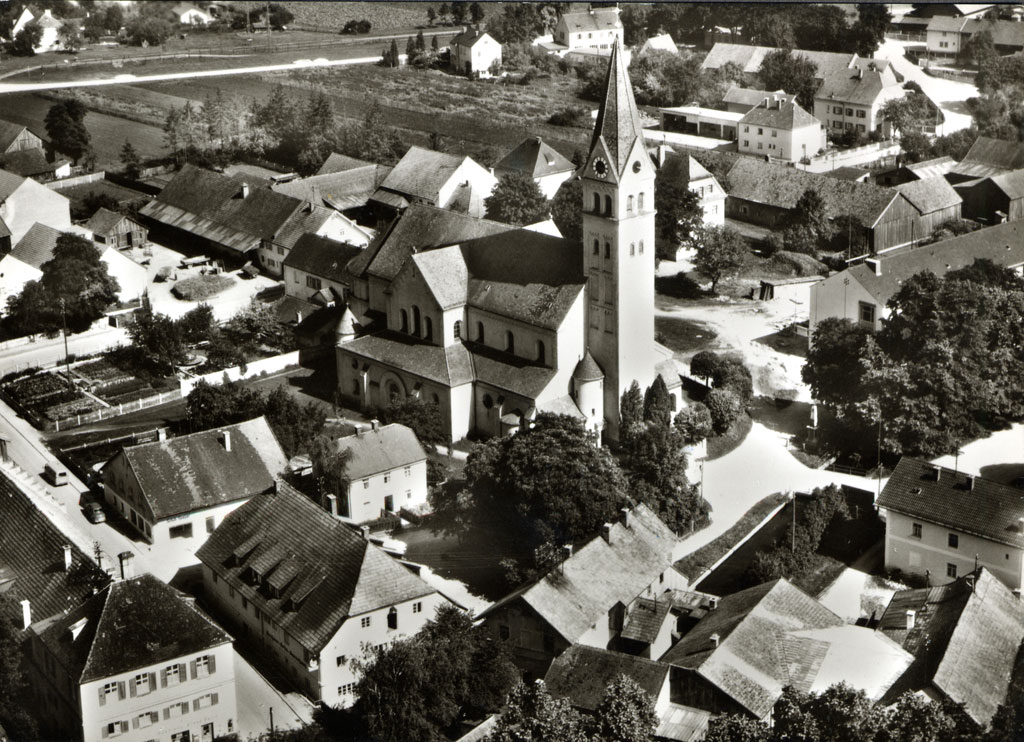
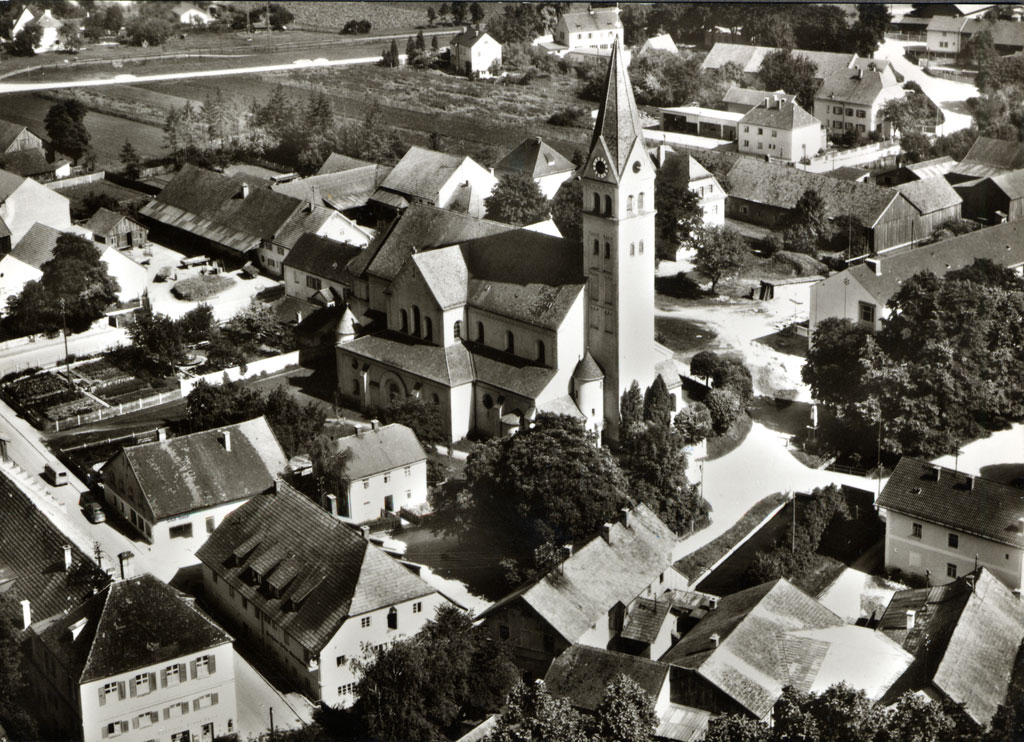
In 2009, Ismaning celebrated its 1,200th anniversary.
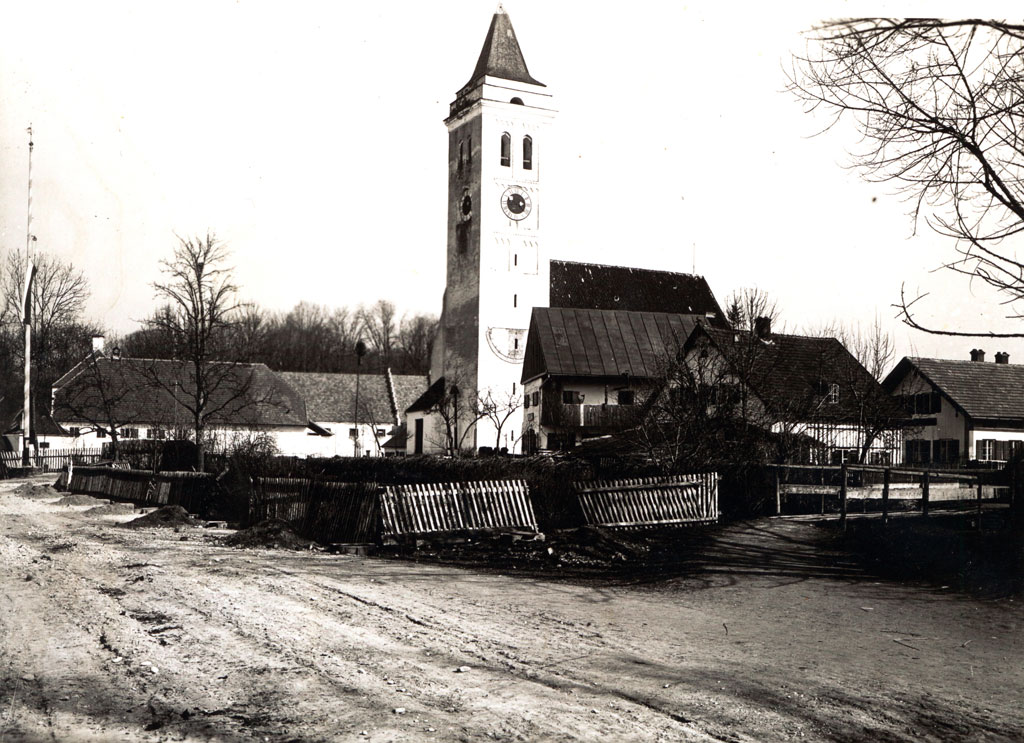
A mill existed in the village as early as the Middle Ages. Historical records confirm this.
The first known image of the mill appears on a map from 1716.
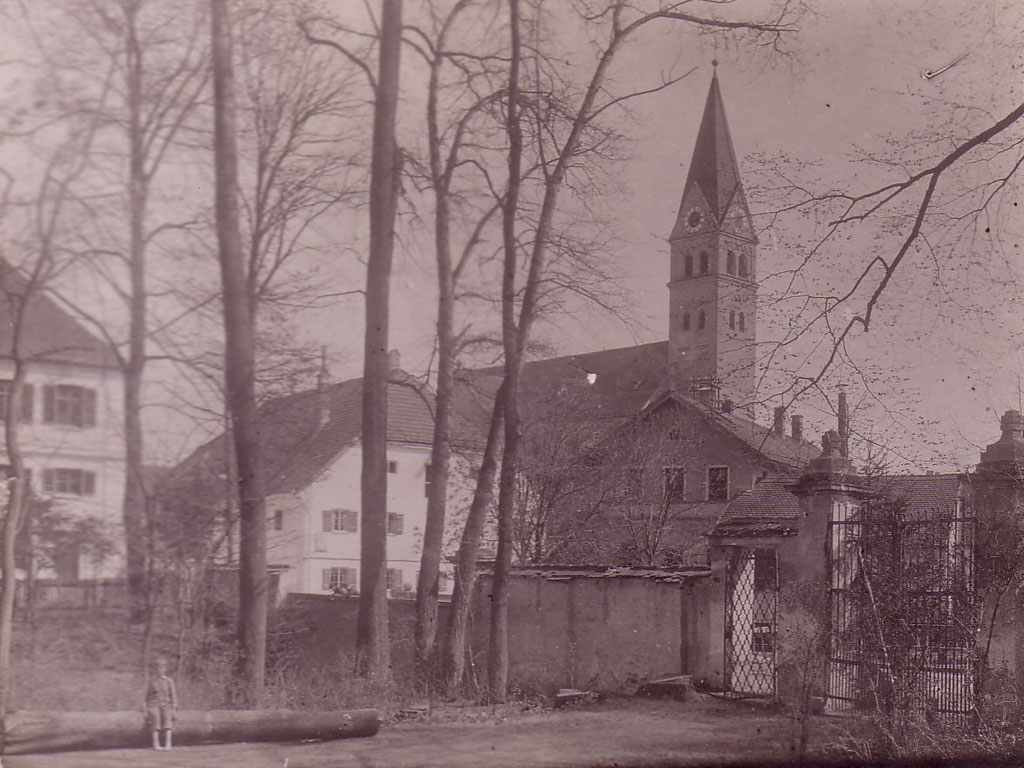
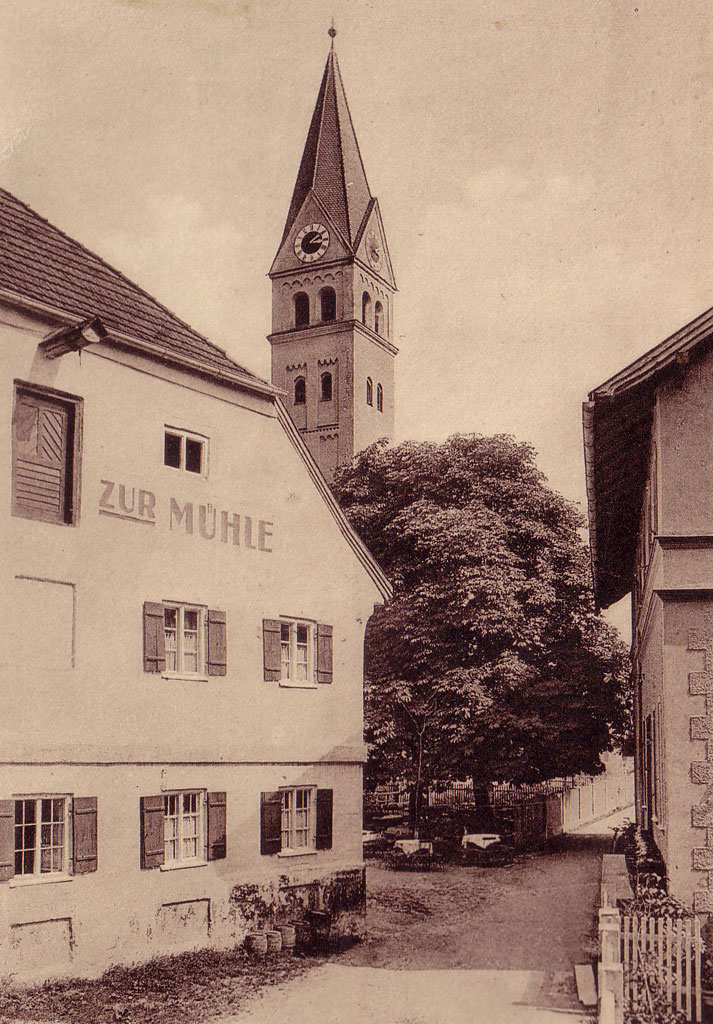
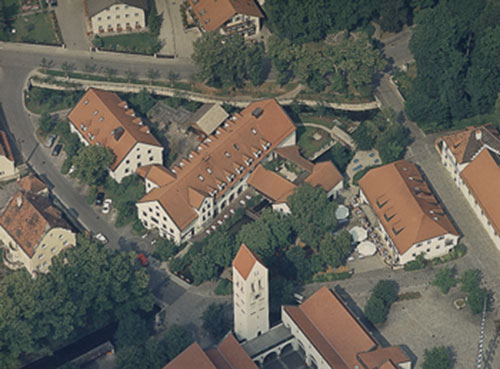
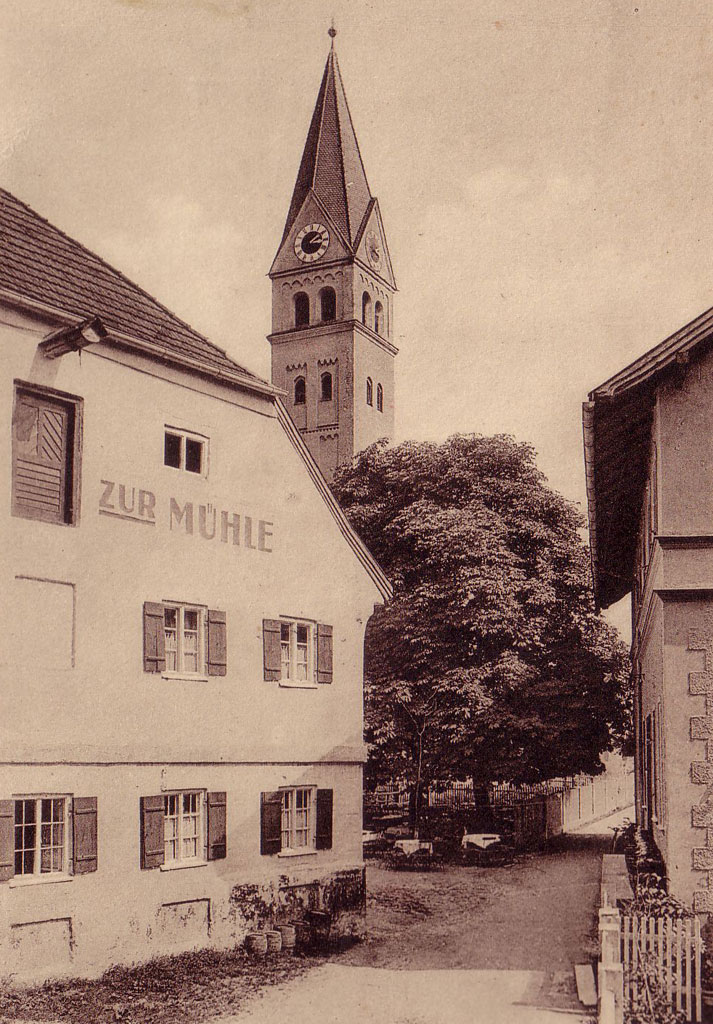
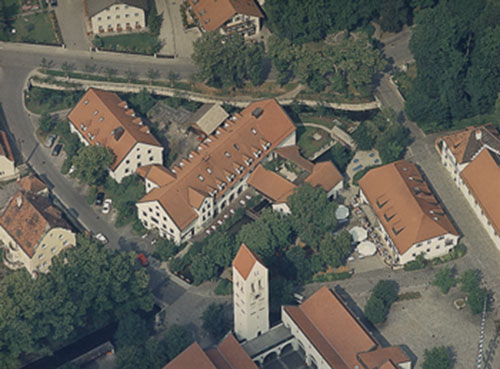
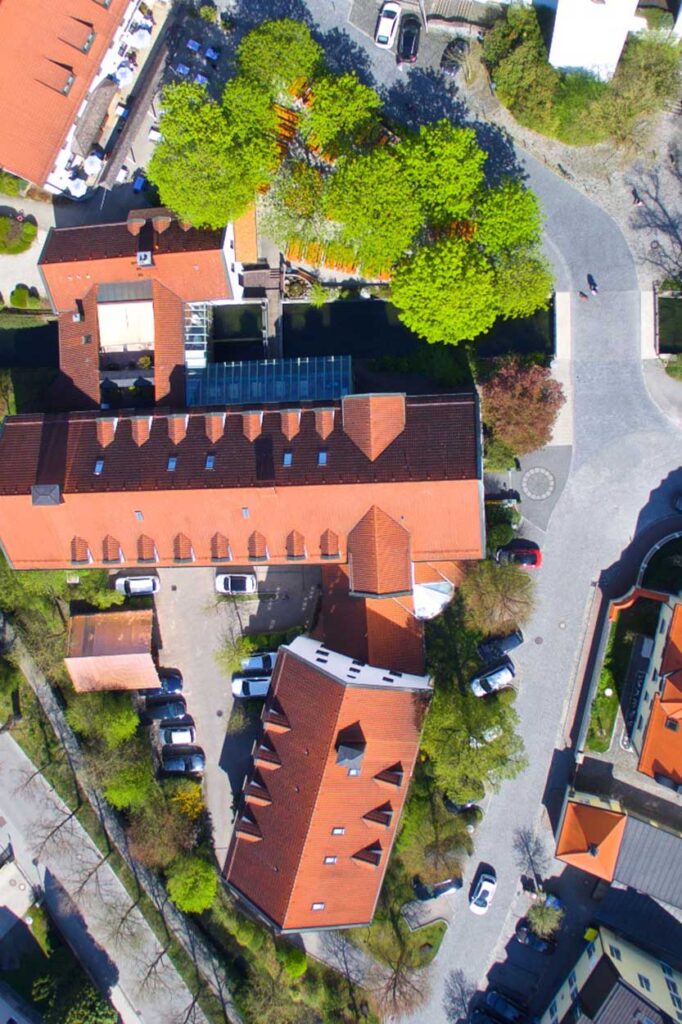
At that time, the mill stood next to the Prince-Bishop’s castle. Today, the hotel is located on the same site.
Two large wooden water wheels powered the mill. The mill was used to grind grain into flour and to saw wood.
The stream played an important role in everyday life. It provided water for drinking, washing, and cooking, and it supplied water for animals.
People also used the water for gardening, cooling, and fishing. For children, the stream was a popular place to play.
The history of the Seidl family goes back more than 200 years.
The family originally worked in agriculture and lived in the Upper Bavarian region south of Munich.
Around the year 1800, Bartholomäus Seidl and his wife Walburga moved to the eastern area of Munich. There, they earned their living by producing bricks. At that time, the rapidly growing city of Munich needed large amounts of building materials.
His son, Johann Seidl, chose a different path. He took over an inn in Dietersheim, which became very successful.
With the money he earned, Johann later purchased the Erching estate. After many years, he sold it again at a profit.
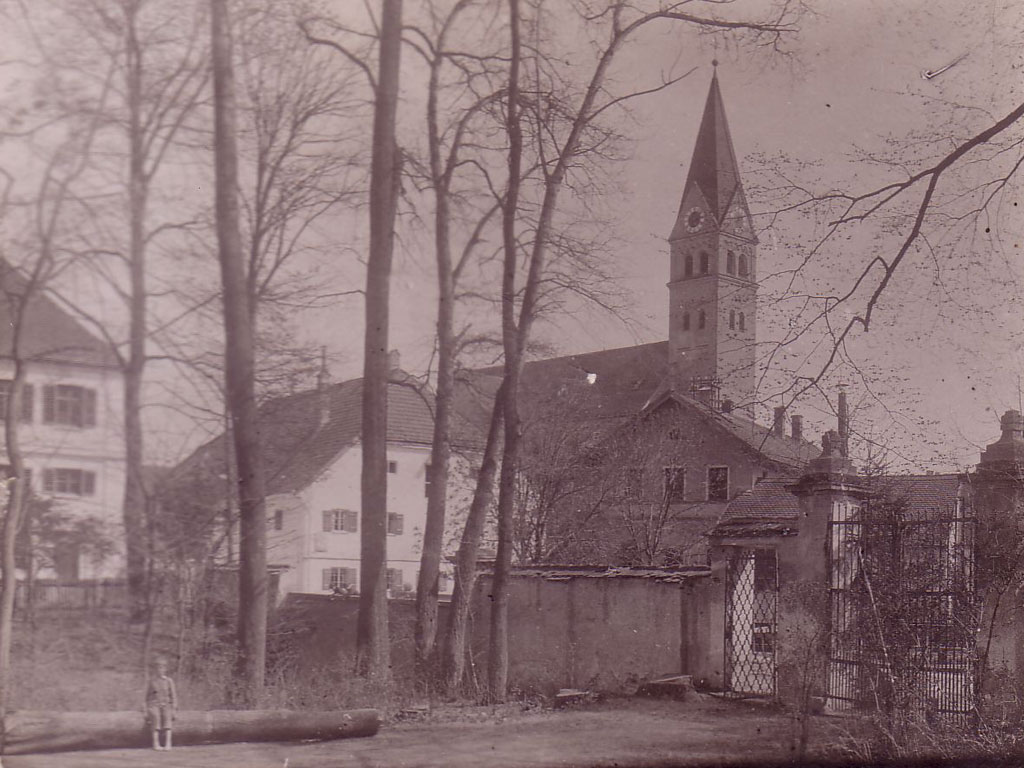
The family then moved to Ismaning. There, Johann Seidl bought an estate with a sawmill and grain mill. Today, this site is home to the Seidlmühle Cultural Center.
His motto was:
“Where there is water, something is always moving.”
In the next generation, Johann Seidl and his wife Therese continued to run the estate.
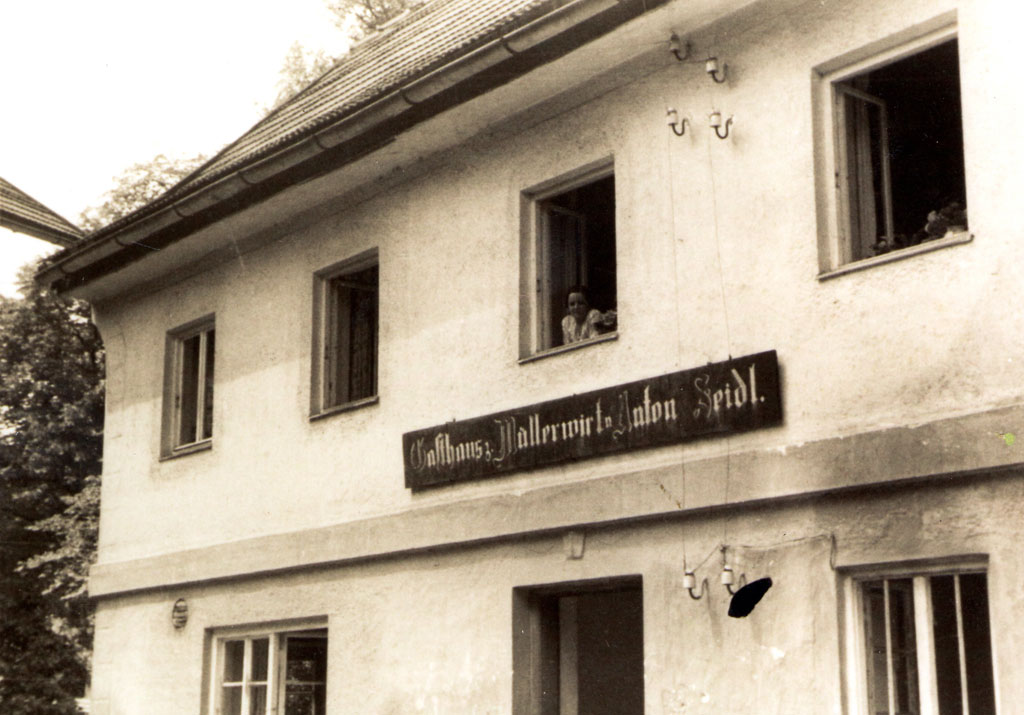
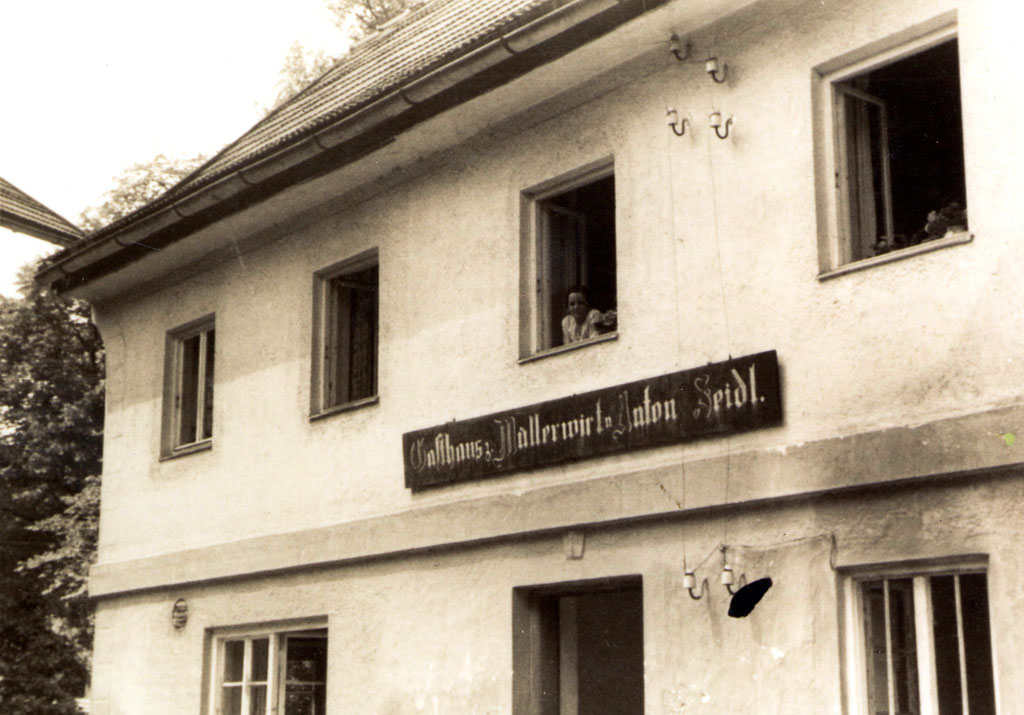
Later, they passed the farm on to their eldest son Johann. For their second son, Anton, they purchased another mill with an inn and a small farm in the center of Ismaning.
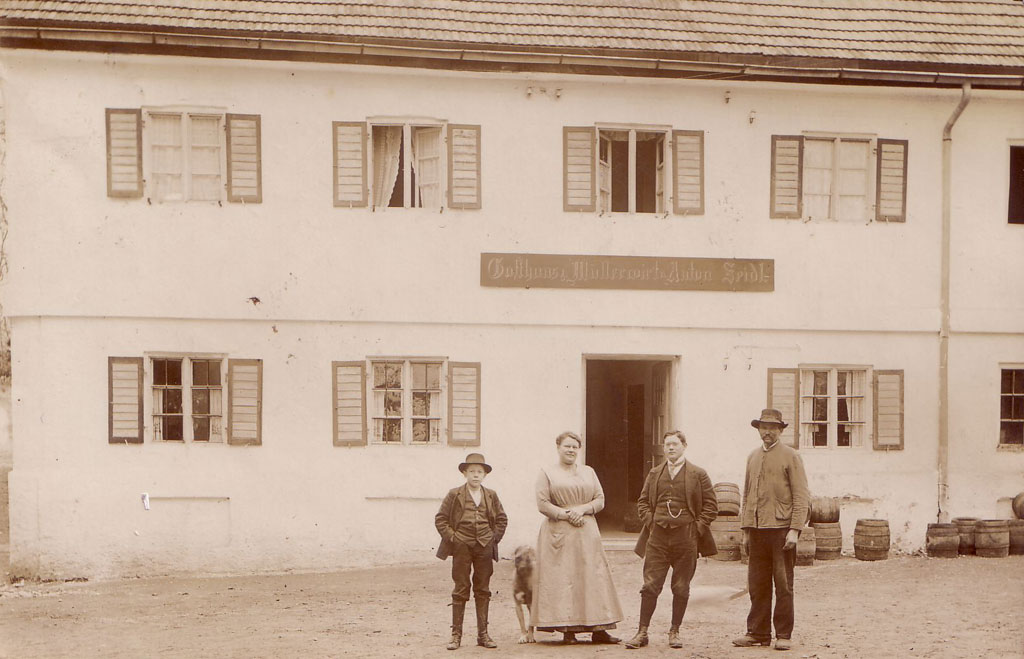
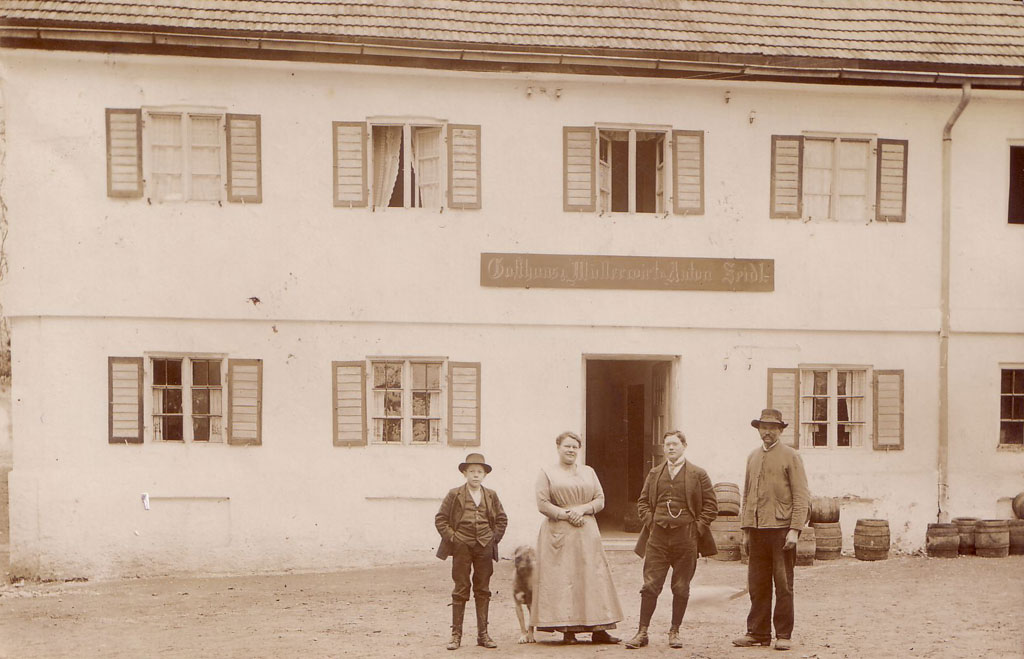
In 1894, Anton Seidl and his wife Katharina reopened the inn. After the old mill was destroyed by fire, he built a power station on the site and modernized the business.
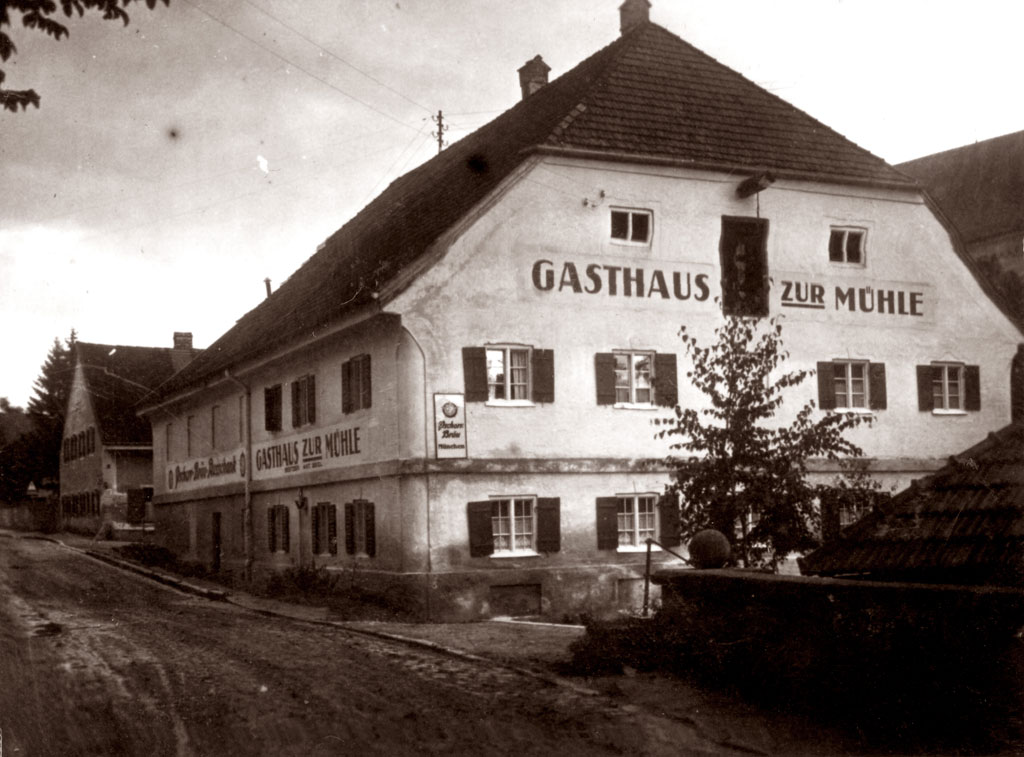
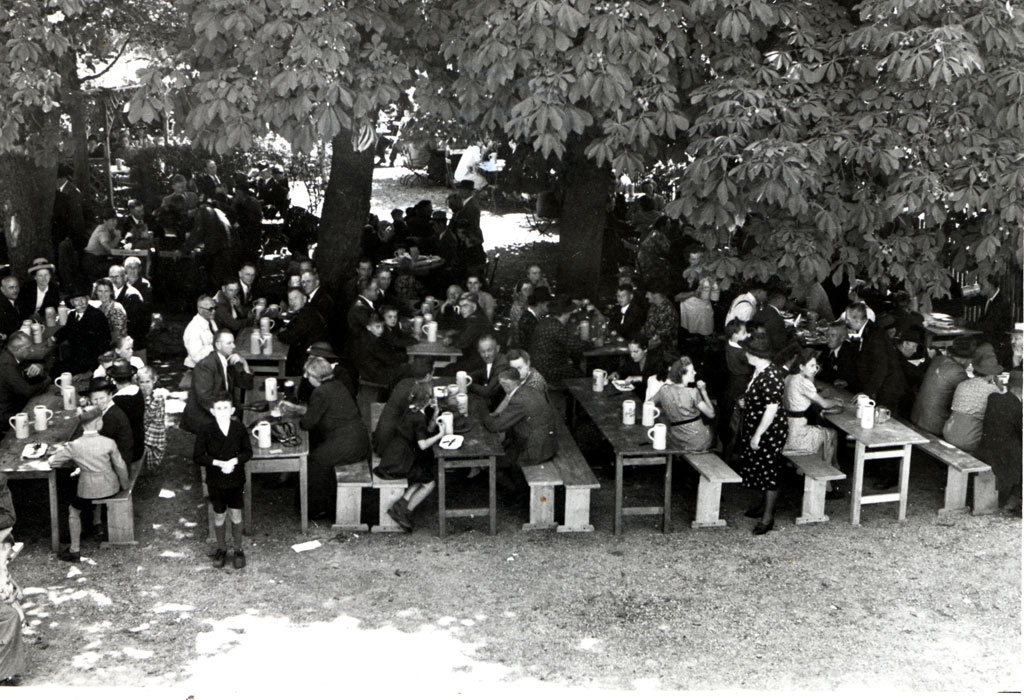
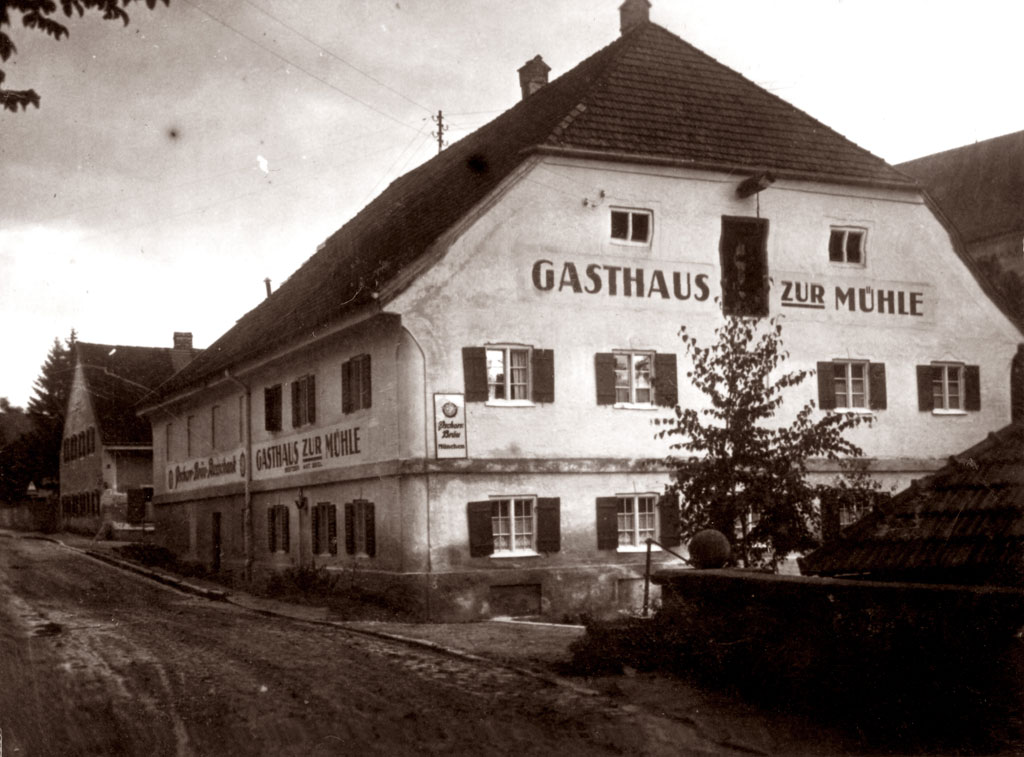
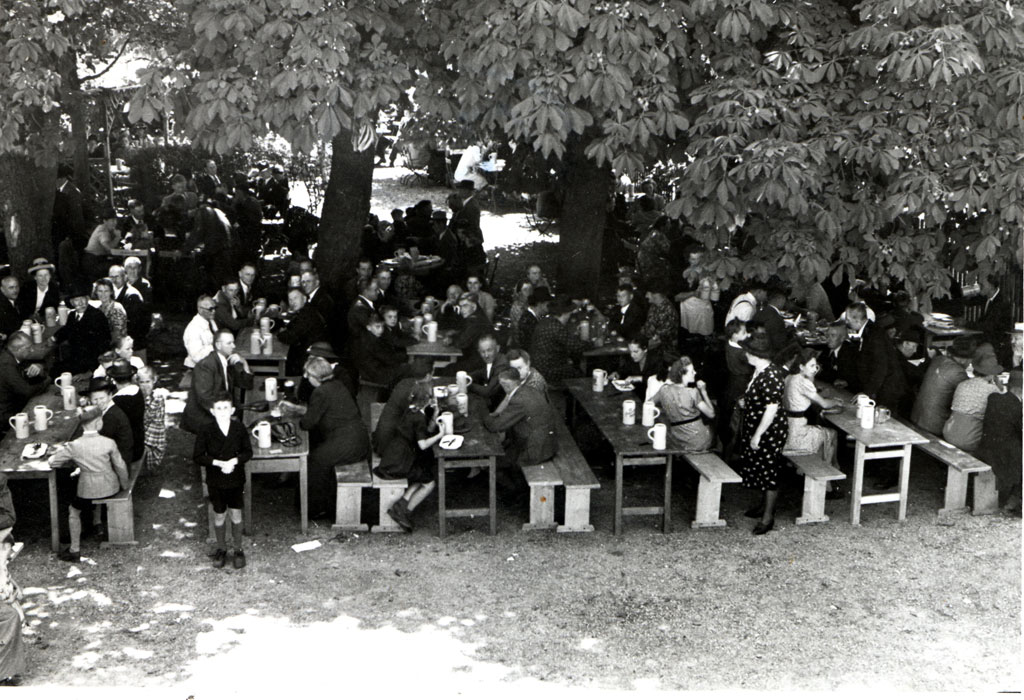
In 1940, his son, also named Anton, took over. After World War II, he ended the farming activities and expanded the inn into a larger guesthouse with rooms for visitors.
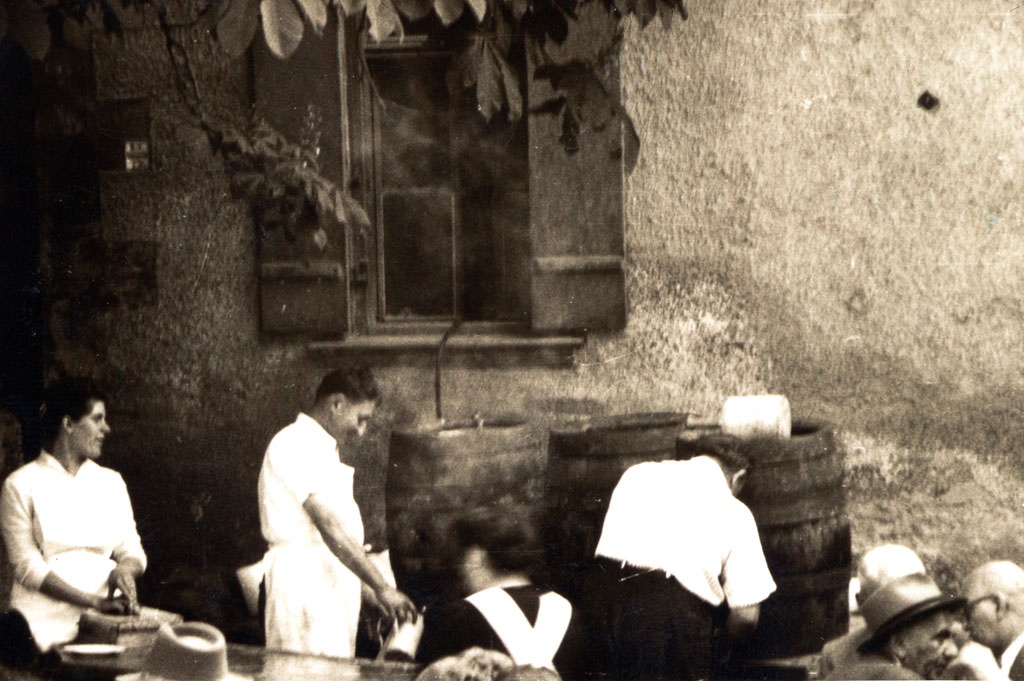
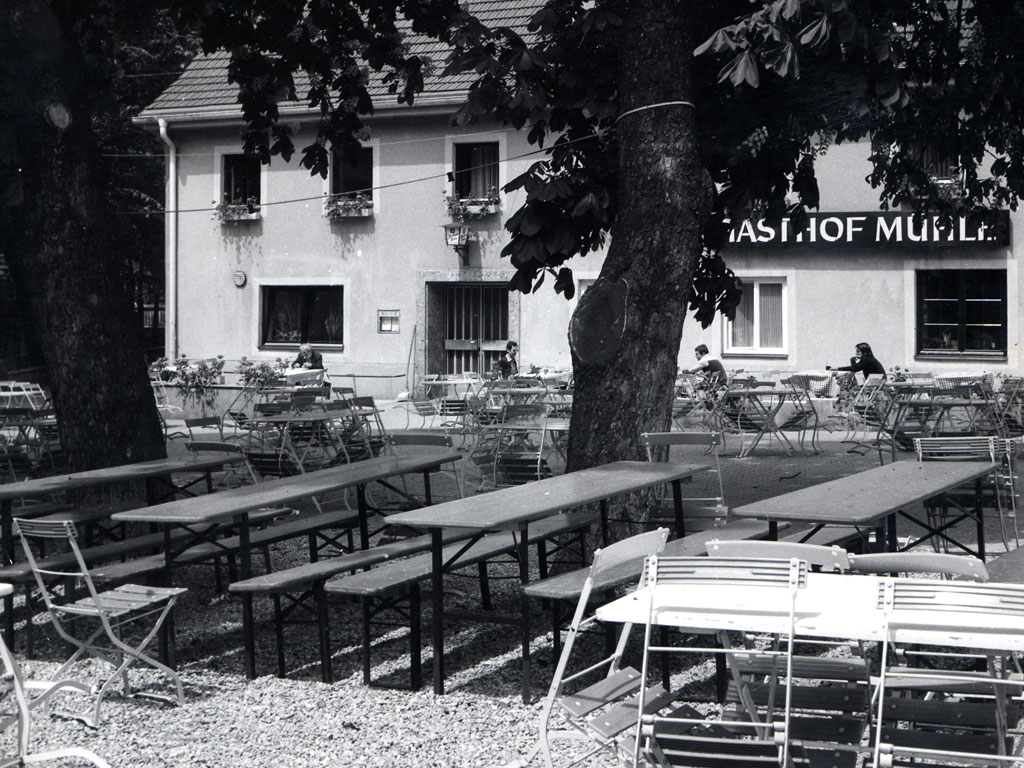
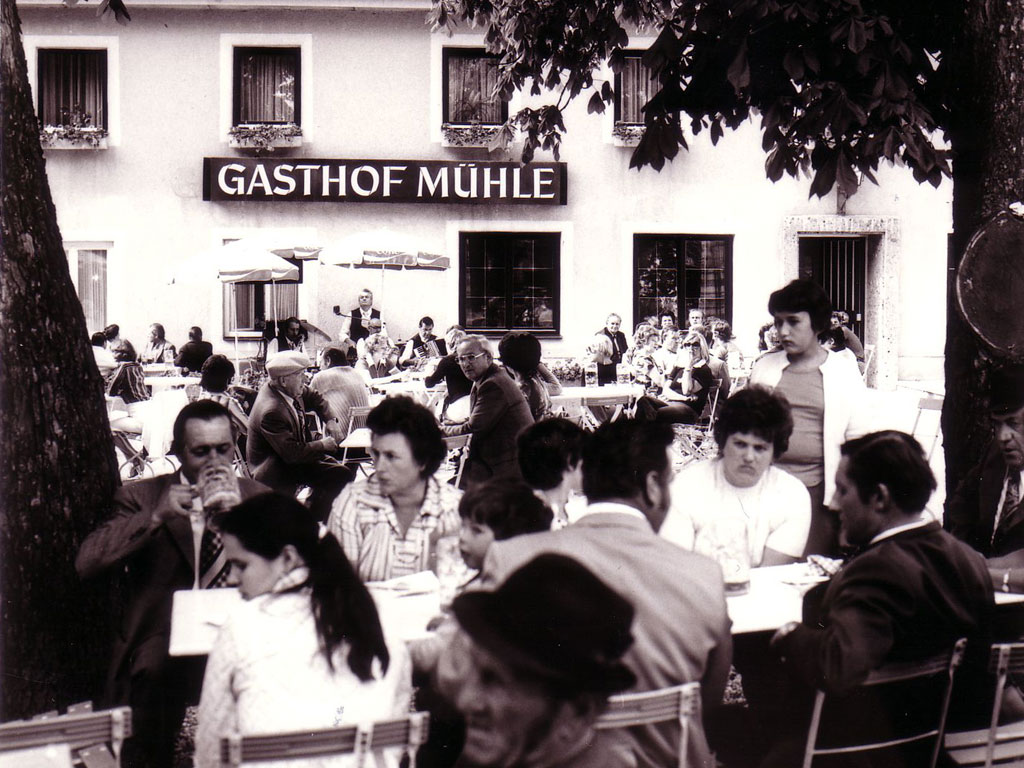
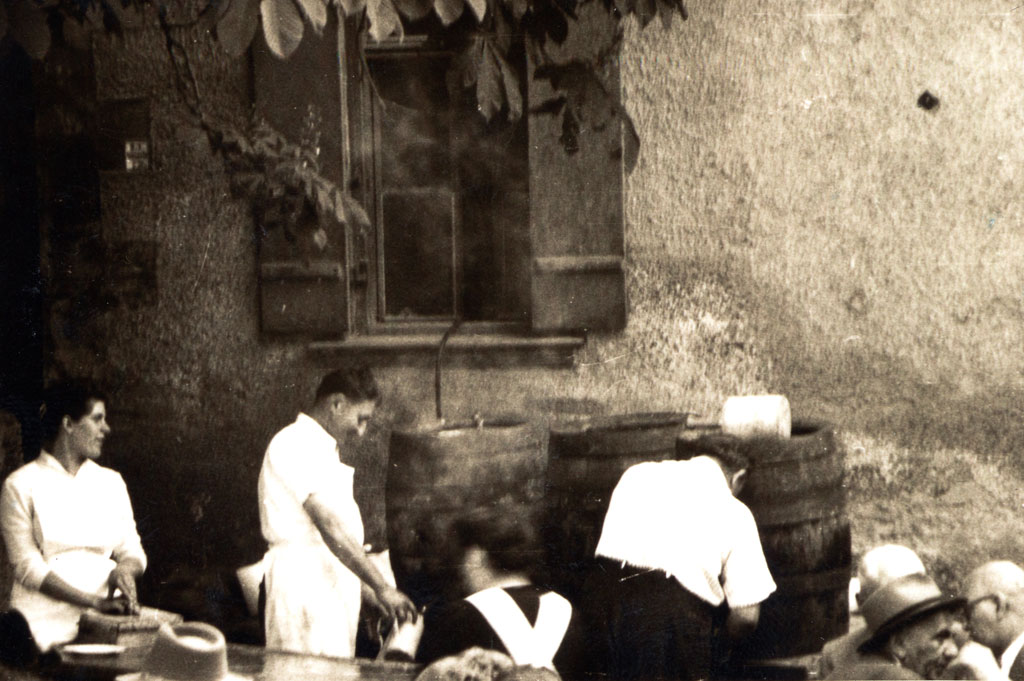
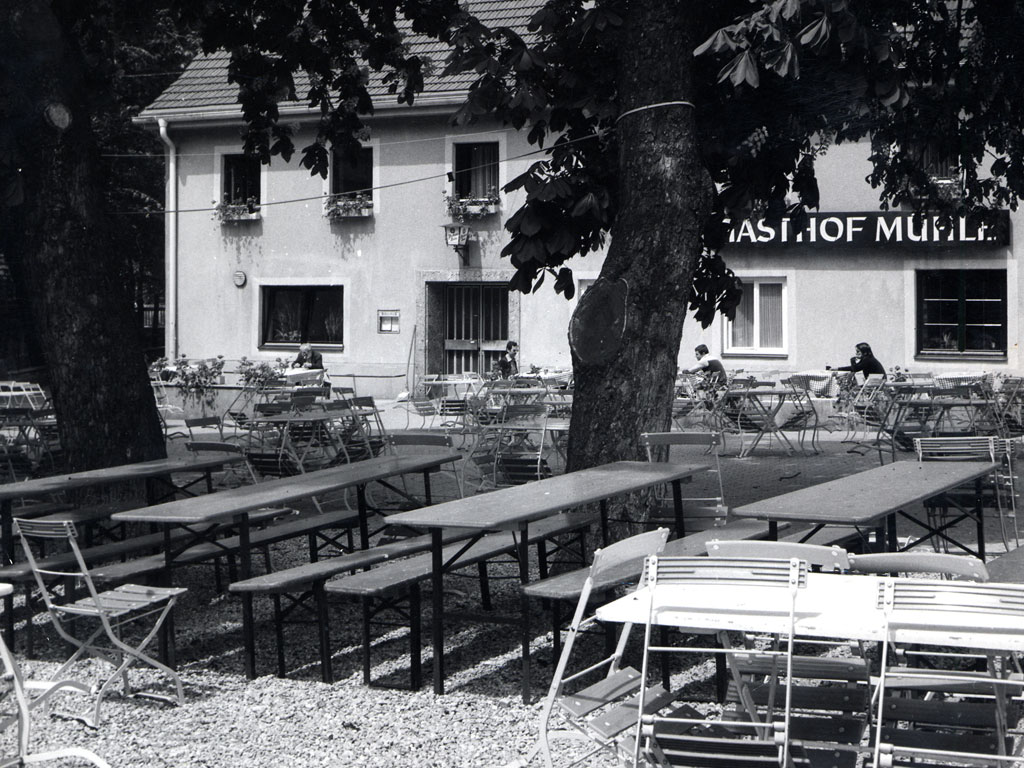
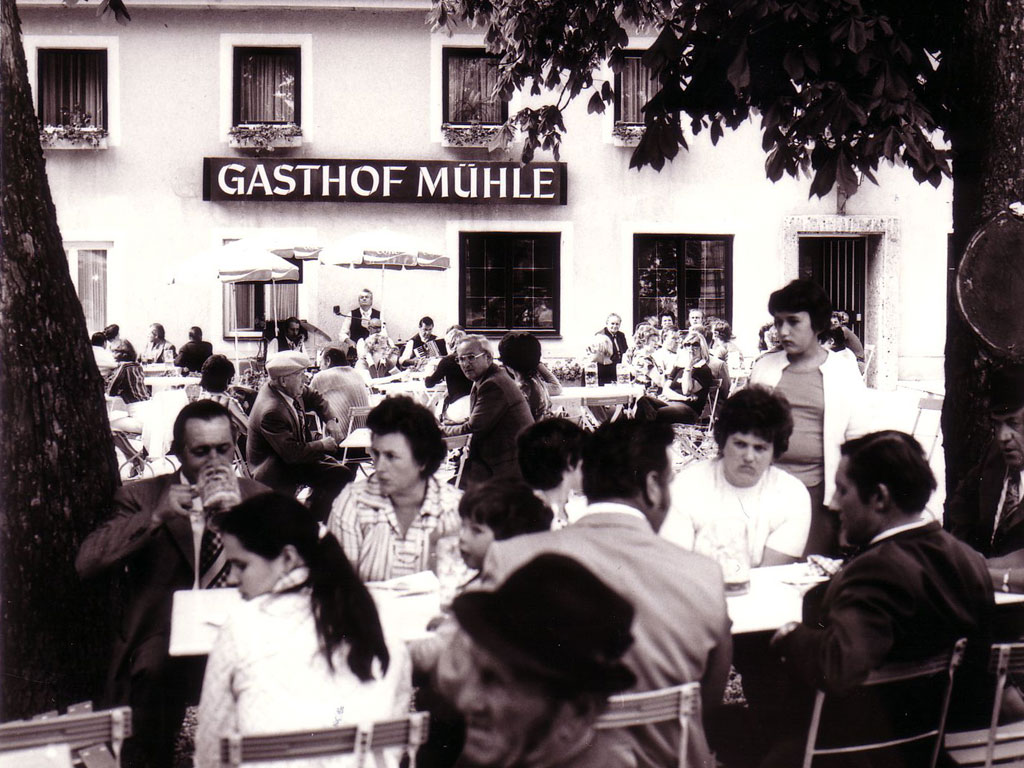
From 1969 onward, Anton Seidl and his wife Rosa managed the family business. In 1982, they built the Hotel zur Mühle. Guests from around the world soon began to stay there. They also renovated the inn and expanded the beer garden.
Since 2002, Anton Seidl and his wife Sandra have been running the business. Their children, Anton and Maria, represent the next generation of the family tradition.